
The locker room door swings open, and you realize your jeans, belt, and stiff button-down were the wrong call. Figuring out what to wear to a spa day is less about fashion and more about comfort, practicality, and knowing what the venue provides.
Quick answer: Wear soft, easy-to-remove layers and slip-on shoes, and leave jewelry and tight clothing at home. Most spas supply robes, slippers, and towels, so focus on what you wear to and from the spa plus a few small essentials.
This guide covers what to pack, what to skip, and the small details that make a spa visit smoother. By the end, you will have a simple packing plan you can reuse for any type of spa.
What is what to wear to a spa day?
At its core, what to wear to a spa day means choosing clothing that supports relaxation and easy changing. You are moving between locker rooms, treatment rooms, pools, and quiet lounges. Each space has its own dress code, and comfort matters more than style.
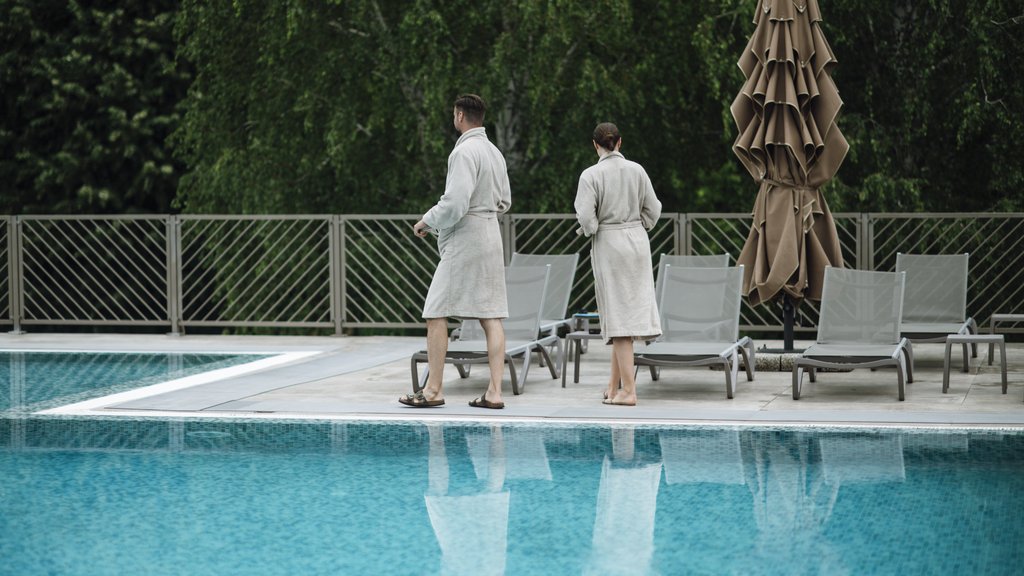
Most day spas provide a robe, slippers, and towels as part of your visit. In our experience visiting spas across several cities, this is standard for mid-range and upscale venues. That means your outfit mainly matters for arrival, departure, and any shared spaces such as a cafe or relaxation lounge.
The standard spa outfit formula
A simple formula works for almost every venue. Start with a soft base layer, add a loose top, and finish with comfortable pants or a skirt. Choose fabrics that stretch and breathe, like cotton, linen, or jersey. Avoid anything stiff, scratchy, or heavily structured.
- Base layer: A simple t-shirt or camisole in a breathable fabric.
- Top layer: A loose sweater, cardigan, or wrap you can remove easily.
- Bottoms: Leggings, joggers, or relaxed trousers with an elastic waist.
- Footwear: Slip-on shoes, sandals, or flip-flops for quick changes.
- Underwear: Comfortable and simple, since you will change in and out of a robe.
What to bring in your bag
Pack a small bag with a few essentials. Bring a swimsuit if the spa has a pool, hot tub, or hydrotherapy area. Add a hair tie, a small toiletry kit, and a refillable water bottle. A zippered pouch keeps jewelry and your phone safe in the locker.
Some guests bring their own robe or slippers for hygiene or fit. That is fine at most spas, though it adds bulk to your bag. If you plan to shower afterward, pack a small towel and a change of underwear.
How spa dress codes vary by venue
Not every spa works the same way. A resort spa may expect you to walk through public areas in a robe, while a medical or day spa might prefer street clothes in shared lounges. Check the confirmation email or website before you go. A quick call to the front desk settles it.
Communal spaces like saunas and steam rooms often require a swimsuit or a towel wrap. Quiet rooms usually welcome robes. When in doubt, follow the signs and the example of other guests.
Takeaway: Build your outfit around soft layers and slip-on shoes, then confirm what your specific spa provides before you pack.
Why what to wear to a spa day matters
Your clothing choices affect more than appearance. The right outfit protects your comfort, your safety, and your ability to relax. A wrong choice can follow you through the entire visit.
Consider the practical side first. Spa treatments often involve oils, lotions, and water. Stiff fabrics and delicate materials can stain or trap moisture against your skin. Loose, washable clothing lets you dress quickly after a massage and keeps you comfortable in heated rooms.
Comfort supports relaxation
A spa day is designed to lower stress. Tight waistbands, scratchy tags, and pinching shoes work against that goal. When you wear soft, loose layers, your body stays at ease between treatments. You also spend less mental energy on adjusting your clothes.
We found that guests who arrive in relaxed clothing settle into the experience faster. They move through the locker room without fuss and spend more time actually resting. Small comforts add up over a two- or three-hour visit.
Practical concerns: heat, water, and oils
Spas are warm, humid places. Breathable fabrics help regulate body temperature in saunas, steam rooms, and heated pools. Synthetic fabrics that trap heat can leave you uncomfortable and overheated.
Water and oils are everywhere. Choose quick-drying materials and avoid light colors if you worry about oil stains. Darker leggings and simple cotton tops hide marks well. Leave silk, suede, and dry-clean-only pieces at home.
Respect for shared spaces
Spas are shared environments, and dress norms help everyone feel comfortable. Following the venue’s guidance on robes and swimwear shows respect for other guests. It also keeps you from feeling out of place.
Some cultures and venues have specific expectations around modesty. Checking ahead avoids awkward moments. A five-minute read of the spa’s FAQ page can save an uncomfortable surprise.
The trade-off between style and function
You may want to look put-together on arrival, especially at a hotel spa. That is reasonable, but balance matters. A polished yet comfortable outfit, such as relaxed trousers and a soft knit, works for both the lobby and the locker room. Save the heels and structured blazers for dinner afterward.
Takeaway: The right outfit keeps you comfortable, protects your clothes from oils and water, and respects the shared spa environment.
Best practices
Good preparation makes the whole visit easier. These practices come from repeated spa visits and from guidance that spas themselves share with guests.
Dress in easy-on, easy-off layers
Treat the locker room like a quick-change station. Choose clothing you can remove and put back on in seconds. Wrap dresses, elastic-waist pants, and slip-on shoes all help. Avoid complicated straps, many buttons, or tight waistbands.
Layers also let you adjust to temperature. A spa may be warm in the treatment area and cool in the lobby. A light cardigan or wrap handles both.
Choose the right fabrics
Prioritize breathable, washable fabrics. Cotton, linen, bamboo, and jersey blends work well. They tolerate heat, dry reasonably fast, and survive a wash after contact with oils.
Avoid delicate and heavy materials. Silk, wool, leather, and dry-clean-only fabrics are risky around water and oil. If you love a particular piece, save it for after your visit.
Pack a spa-ready bag
A small, organized bag makes a big difference. Pack these items:
- Swimsuit for pools and hot tubs
- Hair tie and a comb
- Small toiletry kit with deodorant and moisturizer
- Refillable water bottle
- Zippered pouch for phone and jewelry
- Flip-flops or water shoes for wet areas
- A change of underwear
Keep the bag compact so it fits in a standard locker. Many spas provide lockers, but space is limited.
Shoes and accessories: keep it simple
Footwear deserves attention. Slip-on shoes, sandals, or flip-flops are easy to remove and quick to dry. Avoid lace-up boots, high heels, and anything difficult to take off in a hurry.
Leave valuable jewelry at home. Rings and necklaces can snag on robes or get lost in locker rooms. A simple watch is usually fine. If you must bring valuables, ask the front desk about secure storage.
What to wear after your treatments
Plan for the trip home. After a massage or facial, you may feel warm, oily, or sleepy. Loose clothing and comfortable shoes make the journey easier. Many guests bring a fresh t-shirt and light pants to change into before leaving.
If you have evening plans, pack them separately. Give yourself time to shower and dress at the spa rather than rushing.
Takeaway: Stick to soft layers, breathable fabrics, and a compact bag of essentials, and you will handle any spa visit with ease.
Common mistakes to avoid
Even experienced spa-goers slip up. Here are the mistakes we see most often, plus simple fixes.
Wearing tight or restrictive clothing
Tight jeans, stiff belts, and shapewear fight against relaxation. They are also hard to remove in a small locker room. Choose loose fits and elastic waists instead. Your body will thank you during a long massage or a hot sauna session.
Forgetting to check the spa’s dress code
Every venue has its own rules. Some require swimsuits in mixed-gender areas. Others ask guests to wear robes only in certain zones. Skipping this step can leave you unprepared.
Read the spa’s website or confirmation email before you go. If details are unclear, call ahead. It takes two minutes and prevents awkward moments.
Bringing valuables and too much gear
Large bags crowd lockers, and expensive jewelry adds stress. Travel light. Bring only what you need for the visit, and use a small pouch for essentials. Leave heirlooms and flashy accessories at home.
Overpacking is common among first-time visitors. A robe, slippers, and towels are usually provided, so you rarely need to bring your own. Confirm before you add bulk to your bag.
Ignoring the post-treatment plan
Many people forget they will need clean, comfortable clothes after treatments. Oils and lotions can soak into fabric, and you may feel too relaxed to fuss. Pack a simple change of clothes and a hair tie.
Also plan your footwear for the trip home. Sore, relaxed feet do better in soft shoes than in stiff heels.
Assuming every spa is identical
A medical spa, a hotel spa, and a traditional bathhouse all differ. What works at one may not suit another. Resort spas often encourage robe wear in public areas, while clinical settings may prefer street clothes. Check first, then dress accordingly.
Takeaway: Avoid tight clothing, skipped research, overpacking, and forgotten after-care items, and your spa day will run smoothly.
FAQ
Do I need to bring my own robe and slippers to a spa?
Most day spas and hotel spas provide robes, slippers, and towels with your treatment or entry fee. Check your booking confirmation to be sure. Bringing your own is fine if you prefer a better fit or added hygiene, but it adds bulk to your bag.
Can I wear jeans to a spa?
You can wear jeans for arrival, but they are uncomfortable in warm rooms and awkward to change out of quickly. Swap them for leggings or relaxed trousers. Save denim for the trip home if you like.
What should I wear to a couples spa treatment?
Wear the same soft layers you would for any spa visit. Most couples treatments provide robes, and you will change in separate locker rooms first. Bring a swimsuit if the venue has a shared pool or hot tub.
Is it okay to wear makeup to a spa?
Light makeup is fine for arrival, but most facials and treatments require a clean face. Spas usually provide cleansers in the locker room. Keep makeup minimal and bring a small remover wipe if you wear heavier products.
How much should I budget for spa attire?
You likely already own suitable clothes, so the cost can be close to zero. A swimsuit, flip-flops, and a small toiletry bag are the main optional purchases. Budget around $40 to $80 if you need to buy these items new.
Conclusion
What to wear to a spa day comes down to soft layers, breathable fabrics, and simple shoes. Confirm what your venue provides, pack a small bag of essentials, and leave valuables at home. Those choices keep you comfortable from the locker room to the lounge.
Before your next visit, reread your spa’s confirmation email and build a small packing list around it. A little planning now means a calmer, more relaxing day later. You will arrive prepared, change easily, and spend your time on what matters: unwinding.