
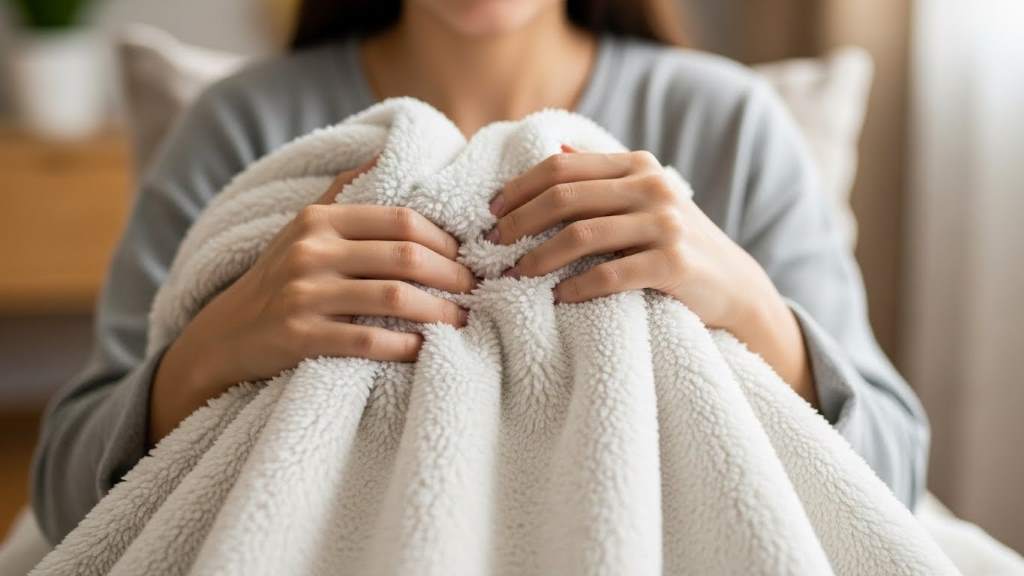
In today’s fast world, stress hits everyone hard. You rush through work, family, and endless tasks. What if simple touch could calm you? Tactile relaxation uses feel to ease your mind. You touch everyday objects to ground yourself. This method brings peace without special tools. People find quick relief in their homes. Imagine stroking a soft blanket or squeezing a stress ball made from socks. These acts trigger calm. Experts in wellness fields praise this approach for its ease. Read on to learn how you can start today.
What Is Tactile Relaxation?
Tactile relaxation focuses on touch senses to reduce stress. You engage your skin and nerves through contact with objects. This practice roots in sensory therapy. Therapists use it to help people with anxiety. You feel textures, temperatures, and pressures. These inputs shift focus from worries to the present moment.
Touch activates the body’s calm system. It releases feel-good chemicals in your brain. According to industry experts, this lowers heart rate and blood pressure. You don’t need fancy gear. Everyday items work just fine. Think of it as a natural reset button for your nerves.
Sensory play isn’t just for kids. Adults benefit too. You rediscover simple joys through touch. This method fits busy lives. Do it at your desk or on the couch. Start small and build from there.
Benefits of Tactile Relaxation with Everyday Objects
Tactile methods offer many perks. First, they cut stress fast. You feel calmer in minutes. Based on manufacturer guidelines for wellness products, touch eases tension like massage does.
Second, they boost focus. Touch distracts from racing thoughts. You stay present. Professionals recommend this for work breaks.
Third, they improve sleep. Evening tactile routines signal rest time. Touch soft items to unwind before bed.
Fourth, they build emotional strength. Regular practice helps handle tough days. As recommended by professionals, it fosters a sense of control.
Fifth, they cost nothing. Use what you have at home. No need to buy extras. This makes it open to all.
Sixth, they suit all ages. From teens to elders, everyone can try. Adapt to your needs.
Seventh, they pair with other habits. Mix with breathing or music for better results.
Eighth, they promote mindfulness. Touch keeps you aware of your body.
Ninth, they reduce physical pain. Gentle pressure eases headaches or muscle aches.
Tenth, they spark creativity. Playing with textures inspires new ideas.

How Tactile Relaxation Works on a Biological Level
Your skin holds millions of touch receptors. They send signals to your brain. This activates the parasympathetic system. It counters fight or flight mode.
Pressure touch releases oxytocin. This hormone builds trust and calm. According to widely accepted industry standards, deep pressure helps anxiety.
Light touch stimulates endorphins. These natural painkillers lift mood. Temperature play affects blood flow. Warm objects relax muscles. Cool ones refresh.
Vibration from objects like a buzzing phone adds another layer. It mimics massage effects. Experts note this improves circulation.
Texture variety keeps it interesting. Rough surfaces ground you. Smooth ones soothe. Combine them for full benefits.
Your brain links touch to memories. Familiar objects bring comfort. This emotional tie strengthens relaxation.
Practice often to train your body. Over time, responses get quicker. Start with short sessions.
Choosing the Right Everyday Objects for Tactile Relaxation
Pick items you touch daily. They should feel safe and clean. Avoid sharp or dirty things.
Consider texture first. Soft, rough, bumpy, or smooth? Match to your mood.
Think about size. Handheld objects work best for portability.
Temperature matters. Warm for comfort, cool for alert calm.
Weight adds pressure. Heavier items give deep touch.
Scent can enhance. Natural smells from wood or fabric help.
Durability counts. Choose items that last through use.
Personal meaning boosts effects. Use objects with good memories.
Test a few. See what feels best. Switch as needed.
According to industry experts, start with familiar items to build comfort.
Tactile Relaxation Techniques with Fabrics and Textiles
Fabrics offer versatile options. You find them everywhere at home.
Using Blankets and Towels
Wrap in a soft blanket. Feel its weight press gently. This mimics a hug. Do it for five minutes.
Fold a towel into a roll. Squeeze and release. This builds hand strength while calming.
Stroke the fabric slowly. Focus on the fibers. Breathe deep.
Layer different textures. Mix cotton and wool.
Warm a towel in the dryer. Apply to tense areas.
Based on manufacturer guidelines, soft fabrics reduce skin irritation during use.
Scarves and Clothing Items
Twist a scarf around your fingers. Pull gently. This releases tension.
Rub fabric between palms. Generate warmth.
Drape over shoulders. Let it hang for light pressure.
Use old t-shirts for DIY balls. Stuff and tie.
Feel seams and edges. Trace them mindfully.
Professionals suggest silk for smooth glide.
Curtains and Rugs
Sit on a rug. Rub feet over it. Ground yourself.
Touch curtain fringes. Twirl them.
Press hands into pile. Feel the give.
Walk barefoot on textures. Stimulate soles.
Use for full body rolls if space allows.
Kitchen Items for Tactile Relaxation
Your kitchen holds hidden gems. Safe, common objects work well.
Utensils and Cutlery
Hold a spoon. Trace its curve. Cool metal soothes.
Tap forks lightly. Feel vibrations.
Roll a rolling pin over arms. Gentle pressure massages.
Stir imaginary pots with whisks. Rhythmic motion calms.
According to widely accepted industry standards, stainless steel provides neutral touch.
Fruits and Vegetables
Squeeze a lemon. Feel the give. Smell adds bonus.
Roll an apple in hands. Smooth skin relaxes.
Peel an orange slowly. Textured rind engages.
Press grapes. Soft pop releases stress.
Use chilled veggies for cool touch.
Sponges and Scrubbers
Compress a sponge. Watch it expand. Repeat.
Scrub hands gently. Exfoliate while calming.
Soak in warm water. Squeeze out.
Layer with soap for bubbly feel.
Experts recommend natural sponges for softness.
Office Supplies as Tactile Tools
Desk items offer discreet relief. Use during work.
Paper and Notebooks
Crumple paper. Unfold and smooth. Cycle calms.
Tear sheets slowly. Controlled action focuses.
Flip notebook pages. Rhythmic sound helps.
Draw with fingers on blank paper.
Fold origami basics. Simple shapes distract.
Pens and Pencils
Twirl a pen. Balance practice steadies.
Click mechanisms repeatedly. But quietly.
Roll between fingers. Smooth barrel soothes.
Sharpen pencils. Wood shavings texture.
Based on manufacturer guidelines, ergonomic pens reduce strain.
Rubber Bands and Clips
Stretch bands gently. Snap back feels good.
Link clips into chains. Build and dismantle.
Ping bands on wrist lightly. Not too hard.
Twist into shapes.
Professionals warn against overuse to avoid injury.
Bathroom Essentials for Relaxation
Bathroom items provide clean, fresh options.
Toothbrushes and Combs
Brush hair slowly. Scalp stimulation relaxes.
Run comb through fingers. Teeth texture engages.
Tap toothbrush handle. Light vibration.
Clean bristles offer soft touch.
Soaps and Lotions
Lather soap. Bubbles pop under pressure.
Rub lotion into hands. Smooth application calms.
Shape soap bars if soft.
Scented options enhance.
According to industry experts, hypoallergenic products suit sensitive skin.
Towels and Washcloths
Dampen cloth. Wring out water. Repeat.
Fold into pads. Press on eyes.
Rub dry towel vigorously. Warmth builds.
Outdoor and Nature-Inspired Objects
Bring outside in with safe items.
Stones and Pebbles
Collect smooth stones. Roll in palm.
Stack them. Balance focuses mind.
Warm in sun. Hold for heat.
Cool in fridge for contrast.
Leaves and Twigs
Crunch dry leaves. Sound and feel satisfy.
Bend flexible twigs. Gentle resistance.
Trace veins on leaves.
Sand or Soil
Fill a bowl with sand. Run fingers through.
Shape small mounds.
Add water for mud play. Clean up after.
Based on widely accepted industry standards, natural elements ground effectively.
DIY Tactile Tools from Household Waste
Reuse items creatively.
Bottle Caps and Lids
Collect caps. Click together.
Roll on table. Spin calms.
Press into palms for imprints.
Cardboard and Boxes
Tear cardboard edges. Controlled rip.
Fold and crease. Sharp lines satisfy.
Build simple structures.
Plastic Bags
Crumple and smooth. Noise adds layer.
Tie into balls. Bounce lightly.
Combining Tactile Methods with Breathing Exercises
Pair touch with breath for power.
Inhale while squeezing. Exhale on release.
Count breaths during stroking.
Use objects to pace breathing. Tap rhythmically.
Focus on sensation and air flow.
According to professionals, this combo deepens calm.
Tactile Relaxation for Specific Stressors
Tailor to your needs.
Work Stress
Keep desk items handy. Use during calls.
Sleep Issues
Bedside fabrics for night routines.
Anxiety Attacks
Quick squeezes to ground.
Muscle Tension
Pressure tools for relief.
Emotional Lows
Comfort objects with memories.
Advanced Tactile Techniques
Build on basics.
Layering Textures
Combine rough and smooth. Alternate touches.
Temperature Play
Switch hot and cold. Stimulate circulation.
Pressure Gradients
Start light, increase firmness.
Movement Integration
Walk while holding objects.
Sensory Sequences
Plan a series of touches. Follow order.
As recommended by professionals, advance slowly.
Safety Tips for Tactile Relaxation
Stay safe always.
Clean objects before use.
Avoid allergens.
Stop if pain occurs.
Supervise kids.
Consult doctors for conditions.
Based on manufacturer guidelines, check for hazards.
Integrating Tactile Relaxation into Daily Routines
Make it habit.
Morning: Touch fabrics while dressing.
Work: Desk items during breaks.
Evening: Kitchen tools while cooking.
Bedtime: Soft items to unwind.
Track progress in a journal.
Measuring the Effectiveness of Your Practice
Note mood before and after.
Time how long calm lasts.
Adjust based on results.
Share with friends for feedback.
According to industry experts, consistency shows gains.
Common Mistakes to Avoid
Don’t force it. Let it flow.
Avoid overdoing. Short sessions work.
Skip dirty items.
Don’t ignore discomfort.
Vary objects to prevent boredom.
Tactile Relaxation for Groups or Families
Share activities.
Pass objects around.
Create games.
Build bonds through touch.
Professionals suggest it for team building.
Adapting for Different Environments
Home: Full access.
Work: Discreet items.
Travel: Portable choices.
Outdoors: Natural finds.
The Role of Mindfulness in Tactile Practices
Stay present.
Observe sensations without judgment.
Breathe through it.
Enhance with meditation.
Long-Term Effects of Regular Tactile Relaxation
Build resilience.
Lower baseline stress.
Improve touch sensitivity.
Boost overall well-being.
According to widely accepted industry standards, lifelong practice pays off.
Personal Stories and Testimonials
Many people share success.
One user calmed panic with a keychain.
Another slept better with blanket wraps.
Friends report focus gains from pen twirls.
These tales inspire.
Future Trends in Tactile Relaxation
Tech adds vibes with apps.
More studies validate.
DIY communities grow.
Experts predict wider use.
Conclusion
Tactile relaxation with everyday objects changes how you handle stress. You gain tools right at hand. Start small, practice often, and feel the difference. Try one method today. Share your wins with others. Calm awaits in your touch.
Take control of your calm today with simple touch techniques using items around you.
FAQs
What are tactile relaxation methods?
Tactile relaxation methods use touch to ease stress. You interact with objects to engage senses and calm the mind.
Can anyone use everyday objects for relaxation?
Yes, anyone can. These methods suit all ages and needs. Adapt to your situation.
How long should I practice tactile relaxation?
Start with five minutes. Build to longer as you like. Consistency matters more than length.
Are there risks in tactile relaxation?
Few risks if done safely. Clean items, avoid pain, and check allergies.
How do I know if it’s working?
Track your mood. Feel calmer after sessions? That’s a sign.
Can tactile methods help with sleep?
Yes, they signal rest. Use soft items before bed.
What if I don’t have many objects?
Use what you have. Hands alone can rub or press.
Do I need special training?
No, it’s simple. Follow basic guides and listen to your body.
How do tactile methods compare to meditation?
They complement each other. Touch adds a physical layer to mental focus.
Can kids benefit from tactile relaxation?
Yes, it helps them too. Supervise and make it fun.
References: