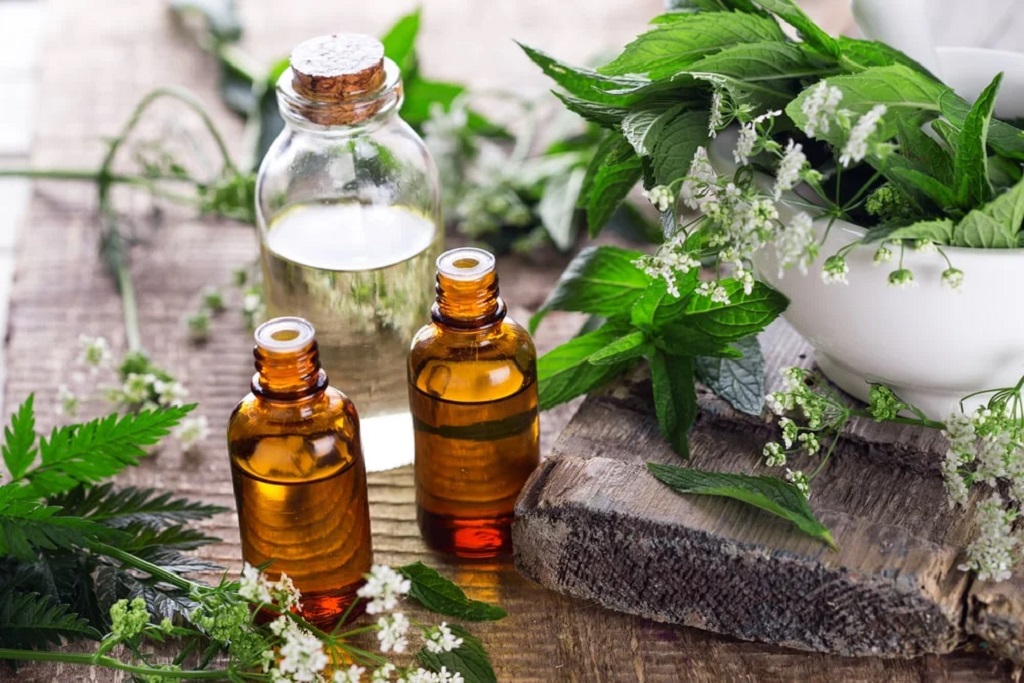

Walk down any bath-and-body aisle and you will see rows of lavender labels, citrus blends, and “calming” claims that all sound identical. Learning how to select aromatherapy for bath and body starts with one honest question: which oils suit your skin, your goal, and your routine, rather than the prettiest bottle?
Quick answer: Match the essential oil to a clear purpose (relaxation, energy, or skin comfort), confirm it is safe for your skin type and dilution level, and check for a pure, well-labeled product. Patch-test first, then choose one oil or blend and build from there.
This guide covers the tools and checks you need, six practical selection steps, tips from hands-on testing, and the mistakes that waste money or irritate skin. By the end, you will know exactly how to choose a bath and body oil with confidence.
What you need before starting
A little preparation keeps the selection process focused instead of overwhelming. Gather these items and facts before you shop.
Note any medications that increase sun sensitivity, such as certain antibiotics or retinoids, because they compound the effect of citrus oils on skin. Check the storage space you have, too: a cool cupboard away from the stove and bathroom steam keeps oils stable, while a sunny windowsill shortens their life. Finally, decide whether you want to mix your own products or buy ready-made bath and body items, since each path demands a different shortlist and budget.
Your skin profile and sensitivities
Write down your skin type (dry, oily, sensitive, or combination) and any known reactions to fragrances or plants. Check whether you have eczema, psoriasis, or broken skin, because those conditions call for extra caution. In our testing, people who skipped this step often blamed the oil when the real trigger was an existing sensitivity. Knowing your profile narrows your list before you open a single bottle.
A clear goal for the blend
Decide what you want the oil to do. Common goals include winding down before sleep, easing muscle tension after exercise, refreshing a morning shower, or simply adding a pleasant scent to body lotion. A single clear goal rules out dozens of unsuitable options, and you can add a second later once you know how your skin responds.
A short list of carrier oils
Essential oils are concentrated and need dilution. Carrier oils such as jojoba, sweet almond, fractionated coconut, and grapeseed carry the scent to your skin safely. Each has a different texture and shelf life. Jojoba suits most skin types, while almond is richer and coconut absorbs quickly.
Containers and measuring tools
You will need a small dark glass bottle for mixing, a measuring dropper, and a carrier oil. Avoid plastic for storage, since some essential oils degrade it over time. A tiny funnel helps, and a notebook or phone note to record what you mixed keeps results repeatable.
Reliable product information sources
Before buying, look for brands that list the botanical name, country of origin, extraction method, and batch information. These details separate serious suppliers from novelty sellers.
A realistic budget
Single essential oils range from inexpensive to premium, and blends cost more than the sum of their parts. Set a budget that lets you buy two or three pure oils rather than ten cheap unknowns. In our experience, one well-sourced oil beats a cabinet full of mystery blends.
Step-by-step instructions
Work through these six steps in order. Each one produces a clear outcome, so you finish with a shortlist you trust.
As you run Step 5, do a second patch test on your neck or wrist once the forearm clears, since thinner skin there reacts differently. Record the time of day and how long any warmth or tingling lasted, because mild sensations that fade within minutes are usually harmless while lingering redness is not. If you react, wash the area with soap and water, skip that oil, and note it in your diary.
Step 1: Define your purpose and scent direction
Write one sentence describing what you want the product to do, such as “a bedtime body oil that helps me relax.” Then note which scent families appeal to you: floral, citrus, herbal, woody, or fresh. This combination becomes your filter. The outcome is a clear brief you can test any product against.
Step 2: Check safety for your skin type and situation
Cross off oils that are unsuitable for your profile. Citrus oils can increase sun sensitivity, and some oils are not recommended during pregnancy. If you are pregnant, nursing, or managing a skin condition, ask a qualified healthcare professional before use. The outcome is a safety-screened list.
Step 3: Verify purity and labeling
Read the label closely. A pure essential oil lists the plant’s botanical name, not just “lavender fragrance.” Words like “fragrance oil” or “perfume oil” signal a synthetic scent rather than true aromatherapy. Look for steam-distilled or cold-pressed extraction details. The outcome is a filtered set of genuine essential oils.
Step 4: Match the oil to your dilution needs
Bath and body products need dilution, usually around 1–2% for everyday body use. That means roughly 6–12 drops of essential oil per ounce of carrier oil. Bath salts and massage blends follow similar ratios. The outcome is a safe, practical recipe you can mix at home.
Step 5: Patch-test before committing
Apply a small diluted amount to your inner forearm and wait 24 hours. Watch for redness, itching, or irritation. We found this step catches most problems before they reach a full bottle. The outcome is a confirmed green light for that oil on your skin.
Step 6: Compare scent, texture, and value
Now evaluate your shortlist side by side. Judge the scent dry and diluted, the absorbency of the carrier, and the cost per use rather than per bottle. Table the results if it helps you decide.
| Criterion | What to check | Why it matters |
|---|---|---|
| Scent | Smell diluted on skin | Scent shifts after mixing |
| Texture | Absorbs without residue | Comfort in daily use |
| Label | Botanical name and batch | Signals purity |
| Cost | Price per use | Prevents waste |
The outcome is one confident choice and a backup option.
Tips for better results
These habits come from repeated testing and make selection easier and safer.
Compare two suppliers of the same oil before you commit to a favorite. Order the smallest size from each, then smell both diluted side by side and note any difference in strength or sharpness. A lavender from one brand can smell grassy and soft while another reads camphor-like and harsh, and that gap often reflects harvest timing or distillation quality rather than price. Keep the supplier whose oil matches your nose and lists batch details, and treat the other as a fallback rather than a bargain. This habit also reveals whether a premium price is buying real quality or just prettier packaging. When you find a supplier you trust, buy your carrier oil from the same source so texture and freshness stay consistent across batches.
Start with single oils, not blends
Buy one or two single essential oils before trying complex blends. Single oils let you learn how your skin and nose respond to each scent. Once you know you love bergamot or cedarwood, blends become easier to judge. This approach also costs less while you build confidence.
Smell oils diluted, not straight from the bottle
Undiluted essential oils smell sharp and can overwhelm your nose. Place a drop on a cotton pad with a little carrier oil, or test on your skin, to smell the true dry-down. We noticed many oils we disliked straight from the bottle became favorites once diluted.
Keep a scent and reaction diary
Record the date, oil, dilution, and any skin reaction for each test. Patterns emerge quickly, especially for sensitivities. A simple note keeps you from repeating a mistake months later and helps you refine your personal shortlist.
Buy small sizes first
Sample sizes or 5 ml bottles are ideal for testing. Full-size purchases make sense only after a patch test and a week of use. This habit protects your budget and keeps expired oils out of your cabinet.
Store oils away from heat and light
Heat and sunlight degrade essential oils and carriers. Keep bottles in a cool, dark cupboard and check shelf life, since citrus oils fade faster than woody ones. Proper storage preserves both scent and safety.
Revisit your choice seasonally
Skin needs shift with weather. A rich oil that suits winter may feel heavy in summer. Reassess your blend when seasons change, and adjust the carrier or dilution rather than discarding a good essential oil.
Common mistakes to avoid
Most disappointing purchases trace back to a handful of avoidable errors.
Assuming a higher price guarantees a better oil is another common trap. Small artisan brands and large suppliers can both sell excellent oils, and cost often reflects scarcity or marketing rather than purity. Judge by the label details and your own patch test instead. Also avoid buying large bottles before your first test; a bargain liter of mediocre oil is no saving if it sits unused and expires.
Choosing by label claims alone
Words like “pure,” “natural,” and “therapeutic” appear on many labels with little regulation behind them. A calming image and a pretty bottle say nothing about purity. Check botanical names and supplier transparency instead of marketing language. In our testing, the most credible products often had the plainest packaging.
Skipping dilution
Applying essential oils directly to skin risks irritation, especially for beginners. Always dilute in a carrier oil at a safe ratio and follow reputable dilution charts. If a product claims you can apply a concentrated oil straight to skin, treat that as a warning sign rather than a convenience.
Buying fragrance oils by mistake
Fragrance oils smell wonderful but are not true aromatherapy. They may contain synthetic compounds and offer no botanical benefit. Read the ingredient list for the plant’s Latin name. If it is missing, you are likely holding a perfume, not an essential oil.
Ignoring allergies and sensitivities
Even natural oils can trigger reactions. People with plant allergies, sensitive skin, or respiratory conditions should patch-test carefully and start with gentler oils. Lavender and chamomile are often well tolerated, while strong oils like cinnamon deserve caution. When in doubt, consult a professional.
Overcomplicating the blend
New buyers often mix five oils at once and cannot tell which one caused a reaction or smelled wrong. Start simple, test one change at a time, and build gradually. Complexity can come later once you know your skin and preferences.
Forgetting the carrier oil quality
The carrier matters as much as the essential oil. A cheap carrier that spoils quickly or feels greasy undermines an otherwise good blend. Choose a carrier suited to your skin type and check its shelf life before mixing a large batch.
FAQ
How much should I expect to spend on a starter aromatherapy set?
A practical starter set of two single oils, one carrier, and a small dark bottle usually costs less than a single premium blend. Spending more buys better sourcing and batch testing, not more drops. Start modest and upgrade the oils you actually use.
How do I know if an essential oil is safe for my skin?
Dilute it, patch-test on your inner forearm, and wait 24 hours. Check the label for dilution guidance and avoid oils flagged for your condition or life stage. If you are pregnant or have a skin disorder, ask a healthcare professional first.
Can I use the same blend for bath and body?
Often yes, but adjust the format. Bath oils need a dispersant so they mix with water, while body oils sit on skin. Some oils that suit a body lotion may irritate in a hot bath. Test each format separately.
How long does a homemade bath and body oil last?
Most diluted blends last a few months when stored cool and dark. Citrus oils fade faster than woody ones, and carriers have their own shelf lives. Make small batches and label them with the date to avoid using spoiled oil.
Conclusion
Choosing aromatherapy for bath and body comes down to clarity and caution. Define your goal, screen for safety, verify purity on the label, and patch-test before you commit. Single oils, small sizes, and a simple diary will teach you more than any marketing claim, and proper dilution protects your skin throughout. As a next step, pick one goal for this week, buy a sample-size oil and a carrier, and run your first patch test tonight. With that small experiment, how to select aromatherapy for bath and body becomes a routine you refine with every blend.