
Have you ever walked into a room filled with the aroma of freshly baked cookies and instantly felt a wave of comfort? Or perhaps the refreshing scent of citrus fruits has energized you in the morning. These experiences highlight the powerful connection between smell and our emotions – a connection harnessed by the ancient practice of aromatherapy.
This article delves into the fascinating world of aromatherapy, exploring the science behind scent, the potential benefits of essential oils, and practical applications for incorporating aromatherapy into your daily life.
The Olfactory Journey: How Smell Affects Us
Our sense of smell is more closely linked to our emotions and memories than any other sense. When we inhale an aroma, scent molecules travel up the nasal cavity and trigger receptors that send signals directly to the limbic system, the part of the brain responsible for emotions, memory, and hormone regulation.
This explains why certain scents can evoke vivid memories, instantly change our mood, or influence our physical well-being.
Aromatherapy: Harnessing the Power of Essential Oils
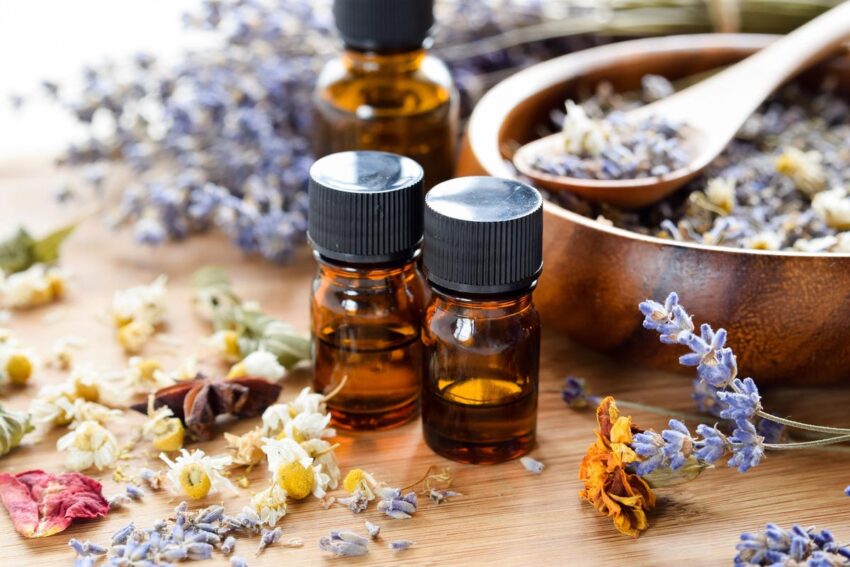
Aromatherapy utilizes the therapeutic properties of essential oils, and concentrated plant extracts derived from flowers, leaves, stems, or roots. These essential oils contain potent aromatic compounds that can be inhaled or applied topically (diluted in carrier oils) to promote relaxation, improve mood, or alleviate certain physical ailments.
Important Note: Essential oils are potent and should be used with caution. Never ingest essential oils, and consult a healthcare professional before using them if you are pregnant, breastfeeding, or have any underlying health conditions.
The Science Behind the Scent: Exploring Potential Benefits
While research on aromatherapy is ongoing, there’s growing evidence suggesting its potential benefits for various conditions. Here’s a glimpse into some promising areas:
- Stress and Anxiety Relief: Studies suggest that inhaling certain essential oils like lavender, chamomile, and bergamot may promote relaxation and reduce symptoms of anxiety.
- Improved Sleep: Lavender oil is frequently used to promote better sleep. Its calming properties can ease restlessness and encourage relaxation before bedtime.
- Pain Management: Some essential oils, such as peppermint and eucalyptus, may relieve temporary pain when applied topically (diluted in a carrier oil) to sore muscles or headaches.
- Enhanced Mood: Citrus essential oils like lemon and grapefruit uplift and may help combat feelings of fatigue and low mood.
- Respiratory Support: Certain essential oils like eucalyptus and tea tree oil have antiseptic properties and may offer temporary relief from congestion or cough.
It’s important to remember that aromatherapy is not a substitute for conventional medical treatment. If you are experiencing any health concerns, always consult your doctor for proper diagnosis and treatment.
Beyond the Science: The Art of Aromatherapy
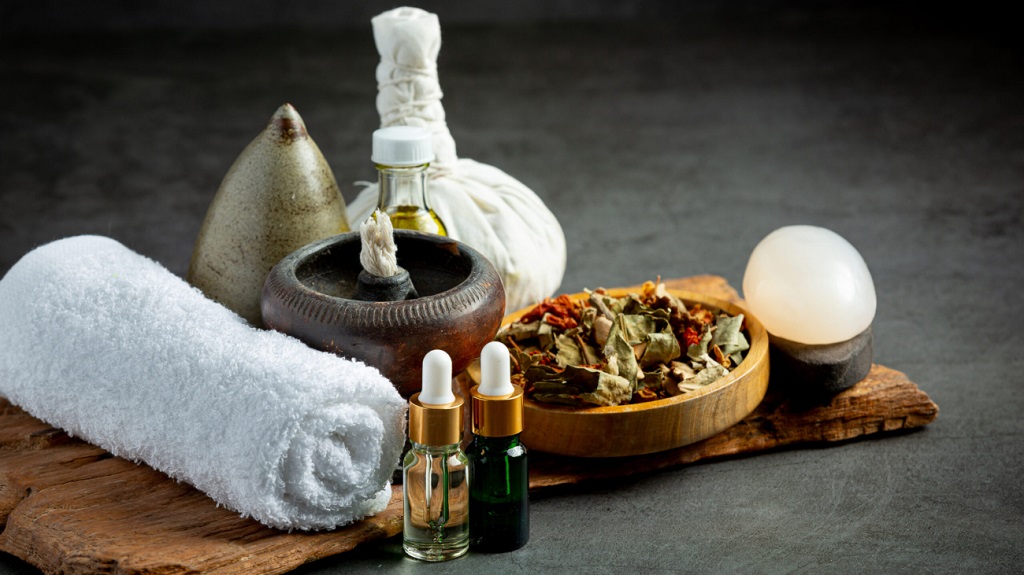
Aromatherapy offers a holistic approach to well-being, combining the power of scent with relaxation techniques. Here are some ways to incorporate aromatherapy into your daily life:
- Diffusion: Use an essential oil diffuser to disperse the aroma of essential oils throughout a room. This creates a calming ambiance and allows you to inhale the therapeutic properties of the oils.
- Bath Rituals: Add a few drops of essential oil (diluted in a carrier oil) to your bathwater for a relaxing and aromatic soak.
- Topical Application: Dilute essential oils in a carrier oil like jojoba or almond oil and massage it into your skin for targeted relief. Always perform a patch test on a small area of your skin before applying topically.
- Inhale Directly: Inhale some essential oils, like peppermint or rosemary, directly from the bottle for a quick pick-me-up.
- Aromatherapy Sprays: Consider using pre-made aromatherapy sprays for a convenient way to freshen a room or create a specific mood.
Choosing Essential Oils: Quality Matters
The quality and purity of essential oils are crucial for their effectiveness and safety. Here are some tips for choosing high-quality essential oils:
- Look for Reputable Brands: Opt for essential oils from reputable brands known for their commitment to organic and sustainable practices.
- Check the Botanical Name: The label should clearly state the botanical name of the plant from which the oil is extracted.
- Consider the Price: High-quality essential oils are typically more expensive than synthetic versions.
- Read Reviews and Recommendations: Do your research and look for reviews from trusted sources before making a purchase.
Aromatherapy: A Journey of Self-Discovery
Aromatherapy offers a multifaceted approach to promoting well-being. It’s a journey of exploration, allowing you to discover which scents resonate most with you and how they can enhance your daily life.
Embrace the power of scent, experiment with different essential oils and
application methods, and find what works best for you. Remember, aromatherapy is a complementary practice, best used alongside healthy lifestyle habits and, when needed, conventional medical treatment.
Bonus Tips:
- Create a Personalized Blend: Once you’ve familiarized yourself with different essential oils, consider creating your custom blends to target specific needs.
- Start Slow: When using essential oils for the first time, start with a low dilution and gradually increase the concentration as needed.
- Listen to Your Body: Pay attention to how your body reacts to different essential oils. If you experience any irritation or discomfort, discontinue use immediately.
- Embrace the Ritual: Transform your aromatherapy practice into a mindful ritual. Take time to focus on your breath, the aroma of the essential oils, and the feeling of relaxation washing over you.
Related: Where Did Aromatherapy Originate?
By incorporating aromatherapy into your life with a sense of curiosity and caution, you can unlock the power of scent to promote relaxation, enhance your mood, and create a more holistic approach to your well-being. Breathe deep, enjoy the journey, and discover the fascinating world of aromatherapy!