
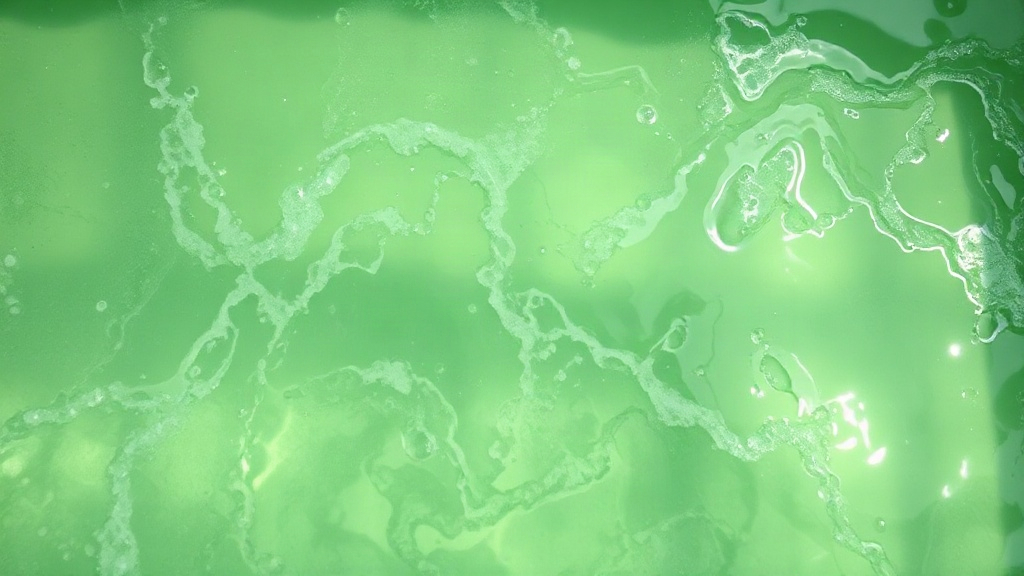
You lift the cover on a quiet Sunday morning and find hot tub water turned green instead of clear blue. The water may look like pea soup, or it may be a faint jade tint you can see through. Either way, something in the water has changed, and soaking in it is not a good idea until you fix it.
Quick answer: Green water almost always means algae has started growing, usually because sanitizer levels dropped and the filter could not keep up. Shock the tub with a chlorine or non-chlorine shock, clean or replace the filter, and run the pump continuously until the water clears. Then rebalance pH, alkalinity, and sanitizer so it stays clear.
This guide explains what causes the color change, why it matters for your tub and your health, and the routine that prevents it from happening again.
What is hot tub water turned green?
Green water is a visible sign that the balance inside your tub has broken down. Clear water depends on three things working together: enough sanitizer to kill organisms, correct pH and alkalinity so the sanitizer works well, and a filter that removes particles. When any one of those fails, algae and other organisms multiply fast in warm water.
Algae spores are everywhere in the air and on swimsuits. They sit dormant in a covered tub until conditions favor growth. Warm water, sunlight through an open cover, and low chlorine create exactly those conditions. A tub can go from slightly hazy to fully green in two to four days during hot weather.
Algae versus metals and copper
Not every green tint is algae. Dissolved copper can turn water green, and the color often appears right after you shock the tub. Copper usually comes from a heater with a failing element, copper plumbing, or a cheap algaecide. The tell is clear water with a green hue and no cloudiness. Algae, by contrast, clouds the water and often leaves slime on the shell and steps.
If the water is clear but tinted green, test for metals before you add more chlorine. A metal sequestrant will bind the copper and clear the tint. If the water is cloudy and smells musty, treat it as algae.
Why warm water speeds up the problem
A hot tub holds water at 100°F to 104°F, which makes it a greenhouse for algae and bacteria. Sanitizer also burns off faster at high heat, so a tub that held chlorine for days in cooler weather may lose it in hours. Combine heat with a heavily used tub and a dirty filter, and green water becomes likely. The same water chemistry that looks fine in a cold pool will fall apart in a hot tub.
The common warning signs
Watch for these early signals, which appear before the water turns visibly green:
- Water that looks hazy or dull instead of sparkling
- A slippery film on the shell, steps, or filter cartridge
- A musty or earthy smell when you open the cover
- Chlorine readings of zero even after you added sanitizer
- Foam that lingers after the jets turn off
Catching any of these early turns a full drain-and-refill into a simple shock and filter cleaning.
A green tint is a symptom, not the disease. Treating the color alone without fixing sanitizer, pH, and filtration leaves the underlying problem in place.
Why hot tub water turned green matters
Green water is more than an eyesore. It signals that the sanitizer is no longer doing its job, which means bacteria such as Pseudomonas and Legionella can survive in the water. Soaking in that water raises the risk of rashes, ear infections, and respiratory irritation, especially for children and people with weaker immune systems.
The costs add up too. Algae clogs filters faster, so cartridges wear out sooner. A heavy bloom can leave biofilm inside plumbing and jets, which is hard to remove without a line flush and a full drain. Left long enough, green water can stain the shell and leave a persistent odor that no amount of shock removes.
Health and safety concerns
Hot tub water is inhaled as mist as well as absorbed through the skin. That makes water quality a respiratory issue, not just a comfort one. Biofilm, the slimy layer algae and bacteria build on surfaces, protects organisms from chlorine. Once biofilm forms inside pipes, normal sanitizer levels cannot reach it, so the tub keeps turning green even after you shock it. The fix is a purge product designed to strip biofilm, followed by a drain and refill.
Do not use the tub while the water is green or cloudy, even if the chlorine reading looks normal. Cloudy water can hide high bacteria counts that a test strip will not show.
Equipment and repair costs
Damage builds quietly. Algae and debris load the filter, forcing the pump to work harder and shortening its life. Scale and biofilm coat the heater element, which cuts efficiency and can lead to early failure. A heater replacement can cost several hundred dollars, far more than the chemicals and an hour of cleaning needed to fix green water early.
There is also a time cost. A mild bloom clears in a day with shock and filtration. A severe one means draining, scrubbing, flushing the lines, refilling, and rebalancing, which can eat most of a weekend.
The effect on your routine
Green water interrupts the way you use the tub. A tub you soak in after work becomes a chore you avoid. Many owners let a mild problem sit for weeks because the water still looks mostly clear from above. By the time the color is obvious, the fix is much bigger.
Treat cloudy or dull water the same day you notice it. Catching green water early saves a drain, a filter, and possibly a heater.
Best practices
Prevention comes down to a short weekly routine and a few habits that keep sanitizer and filtration ahead of algae. You do not need expensive equipment, just consistency.
Keep sanitizer in the working range
Test free chlorine daily or every other day and keep it between 3 and 5 ppm. Bromine users should target 4 to 6 ppm. Add sanitizer in the evening so it is not burned off by sunlight before it works. After heavy use, add a maintenance dose rather than waiting for the next scheduled test.
Shock on a schedule
Shock the tub once a week and after any heavy use, such as a party or a long soak with several people. Weekly shocking oxidizes sweat, oils, and lotions that consume chlorine. This step alone prevents most green water. Use a chlorine shock for routine oxidation and reserve non-chlorine shock for quick cleanups when you want to use the tub sooner.
Clean the filter
Rinse the cartridge every one to two weeks and give it a deeper soak in filter cleaner monthly. A clogged filter is the most common hidden cause of green water. If the cartridge is more than a year old or the pleats are matted, replace it.
Balance pH and alkalinity
Test and adjust pH to 7.4 to 7.6 and total alkalinity to 80 to 120 ppm. Sanitizer loses much of its killing power when pH drifts above 7.8. Alkalinity acts as a buffer that keeps pH steady, so check it whenever pH swings.
Control metals and run the pump
If your fill water contains copper or iron, add a sequestrant monthly. Run the pump at least four to six hours daily, longer in hot weather or after heavy use, so water cycles through the filter. Keep the cover on when the tub is idle to block sunlight and debris.
Test sanitizer and pH, rinse the filter, and skim debris. Five minutes a week prevents nearly every green-water problem.
Common mistakes to avoid
Most green-water cases trace back to a handful of repeat errors. Avoid these and the tub stays clear far more easily.
Adding chlorine without fixing the cause
Pouring in shock clears mild haze, but the green returns in days if pH is off or the filter is clogged. Chlorine cannot work well in water with high pH or heavy organic load. Test and balance first, then shock.
Ignoring combined chlorine
The chlorine smell that many people blame on too much chlorine is actually chloramine, or combined chlorine. It signals that sanitizer is used up and the water needs shock. Owners often add more chlorine and still see green because the real problem is a high organic load that needs oxidation, not more sanitizer.
Skipping the filter
A dirty cartridge cannot trap algae, so the pump just recirculates green water. Clean the filter before and after any algae treatment. This step is often skipped and is the reason “shock did not work” stories end in a drain.
Draining without flushing the lines
If you drain and refill without running a line flush first, biofilm stays in the plumbing. The new water looks clear for a week, then turns green again. Use a purge product, run the jets, then drain.
Overcorrecting with chemicals
Adding too much pH decreaser or shock at once can swing chemistry and irritate skin. Make one adjustment at a time, wait the recommended time, and retest. More chemical is not better.
Ignoring the source water
Well water with high iron or copper can tint the tub green from the first fill. Test fill water before adding it, or use a pre-filter on the hose. Brand-new water that turns green within a day usually points to metals, not algae.
If the water is clear but green, treat for metals. If it is cloudy and green, treat for algae. Using the wrong product wastes time and money.
FAQ
How long does it take to clear green hot tub water?
Mild haze usually clears in 12 to 24 hours after shock and a filter cleaning. A full algae bloom can take two to three days of continuous filtration and may need a drain and refill.
Can I use the hot tub if the water is only slightly green?
No. Even a light tint means sanitizer is failing and bacteria may be present. Wait until the water is clear and chlorine holds its level before soaking.
Does green water always mean algae?
Not always. Clear water with a green hue often points to dissolved copper from the heater or plumbing. Cloudy green water is almost always algae.
What does it cost to fix green water?
Usually $20 to $50 in shock, filter cleaner, and balancing chemicals. A full drain-and-refill with a line flush adds water and heating costs, typically $30 to $80 depending on local rates.
Will a cover prevent green water?
A cover helps by blocking sunlight and debris, but it cannot replace sanitizer and filtration. Covered tubs still turn green when chlorine drops.
Conclusion
Green water is a balance problem, not a mystery. It almost always follows low sanitizer, high pH, or a clogged filter, and the fix is shock, filtration, and rebalancing in that order. Weekly shocking and a clean filter prevent nearly every case. Check your tub today: test the water, rinse the cartridge, and shock if the reading is low. Ten minutes now keeps hot tub water turned green from becoming your weekend project.


