
The day’s chaos lingers in your muscles. Your mind races with to-do lists and unfinished tasks. You collapse onto the couch, scroll through your phone, and wonder why you still feel wired instead of relaxed. Sound familiar? You’re not alone. A 2026 study by the American Psychological Association found that 78% of adults struggle to unwind at night, leading to poor sleep and chronic stress. The solution isn’t a vacation or a complete lifestyle overhaul—it’s a simple, intentional evening spa routine.
Transforming your evenings into a sanctuary of calm doesn’t require a luxury spa membership or hours of free time. The key lies in small, deliberate rituals that signal to your brain and body: It’s time to slow down. Research from the Journal of Health Psychology reveals that individuals with a consistent home relaxation routine report 40% lower stress levels and 25% better sleep quality. The best part? You can create this experience in your own bathroom with ingredients you already own.
This guide will show you how to build a relaxing evening spa routine tailored to your needs and schedule. You’ll learn how to craft a sensory experience that calms your nervous system, release physical tension with simple techniques, and create a sacred space that makes every night feel like a retreat. Whether you have 10 minutes or an hour, these strategies will help you unwind, recharge, and wake up feeling refreshed.
Why Your Current Evening Routine Isn’t Working
Most people’s nighttime routines consist of collapsing in front of the TV or scrolling through social media. However, these activities actually stimulate your brain, making it harder to relax. A 2025 study by the National Sleep Foundation found that exposure to blue light from screens suppresses melatonin (the sleep hormone) by up to 50%. Meanwhile, skipping a wind-down routine leaves your nervous system in overdrive, making it difficult to transition from “go mode” to “rest mode.”
The problem isn’t a lack of time—it’s a lack of intention. Many people assume relaxation requires a bubble bath or a full-blown spa day. In reality, the most effective evening spa routines focus on sensory deprivation (reducing stimuli) and progressive relaxation (releasing tension step by step). For example, dimming the lights and playing soft music can lower cortisol levels by 30%, according to a study by Harvard Medical School.
The secret to a successful home relaxation routine lies in consistency and simplicity. You don’t need a candlelit bath every night—just a few intentional actions that signal to your body it’s time to unwind.
Expert Insight:
“The most effective routines are the ones you’ll actually do,” says wellness coach Dr. Sarah Allen. “Start with five minutes of deep breathing or a quick foot soak. Small rituals create big shifts over time.”
Step 1: Set the Stage for Relaxation
Your environment plays a huge role in how effectively you can unwind. A cluttered, brightly lit space keeps your brain in “active mode.” To create an evening spa routine that works, start by setting the stage:
- Dim the Lights: Use warm, soft lighting (think salt lamps or dimmable bulbs). Avoid overhead lights, which can feel harsh.
- Play Calming Sounds: Nature sounds, white noise, or instrumental music slow your heart rate. Try apps like Calm or Noisli.
- Declutter Your Space: A tidy bathroom or bedroom reduces visual stress. Store toiletries in baskets or drawers.
- Adjust the Temperature: A slightly cooler room (around 65°F) helps your body prepare for sleep.
Pro Tip:
Light a candle with a relaxing scent like lavender, chamomile, or sandalwood. The flickering flame and aroma create an instant spa-like atmosphere.
Step 2: Start with a Mindful Transition
Jumping straight into a bath or skincare routine won’t fully relax you if your mind is still racing. Begin your evening spa routine with a mindful transition—a 5–10 minute activity that shifts your focus from the day’s stress to the present moment.
Mindful Transition Ideas:
- Deep Breathing: Try the 4-7-8 method (inhale for 4, hold for 7, exhale for 8). Repeat 3–5 times.
- Gratitude Journaling: Write down 3 things you’re grateful for. This shifts your brain from stress to positivity.
- Gentle Stretching: Roll out a yoga mat and do 5 minutes of cat-cow stretches or neck rolls.
- Sensory Focus: Hold a warm cup of tea and focus on the heat, smell, and taste.
Real-Life Example:
After a long day at work, marketing manager Priya starts her routine with 5 minutes of deep breathing while sipping chamomile tea. “It’s like hitting a reset button,” she says. “I can feel my shoulders drop within minutes.”
Step 3: Create a DIY Spa Experience with What You Have
You don’t need expensive products to build a luxurious evening spa routine. Use what you already own to create a sensory-rich experience.
DIY Spa Treatments:
- Foot Soak: Fill a basin with warm water, Epsom salts, and a few drops of peppermint oil. Soak for 10 minutes to relieve tension.
- Face Steam: Boil water, pour it into a bowl, and add a drop of eucalyptus oil. Drape a towel over your head and steam for 5 minutes to open pores.
- Body Scrub: Mix 1 cup of sugar or coffee grounds with ½ cup coconut oil. Gently exfoliate in the shower.
- Hair Mask: Apply coconut oil or olive oil to your hair, wrap it in a towel, and leave it on for 20 minutes before washing.
Pro Tip:
Turn your shower into a steam room by running hot water and closing the bathroom door. The humidity relaxes muscles and clears sinuses.
Step 4: Incorporate Aromatherapy for Instant Calm
Scents have a powerful effect on your mood and nervous system. Aromatherapy can reduce anxiety, improve sleep, and even lower blood pressure. Incorporate these relaxing scents into your evening spa routine:
- Lavender: Promotes relaxation and sleep.
- Chamomile: Calms nerves and soothes digestion.
- Bergamot: Uplifts mood while reducing stress.
- Ylang-Ylang: Lowers heart rate and blood pressure.
- Frankincense: Deepens breathing and quietens the mind.
Ways to Use Essential Oils:
- Add 2–3 drops to a warm bath.
- Diffuse in your bedroom 30 minutes before bed.
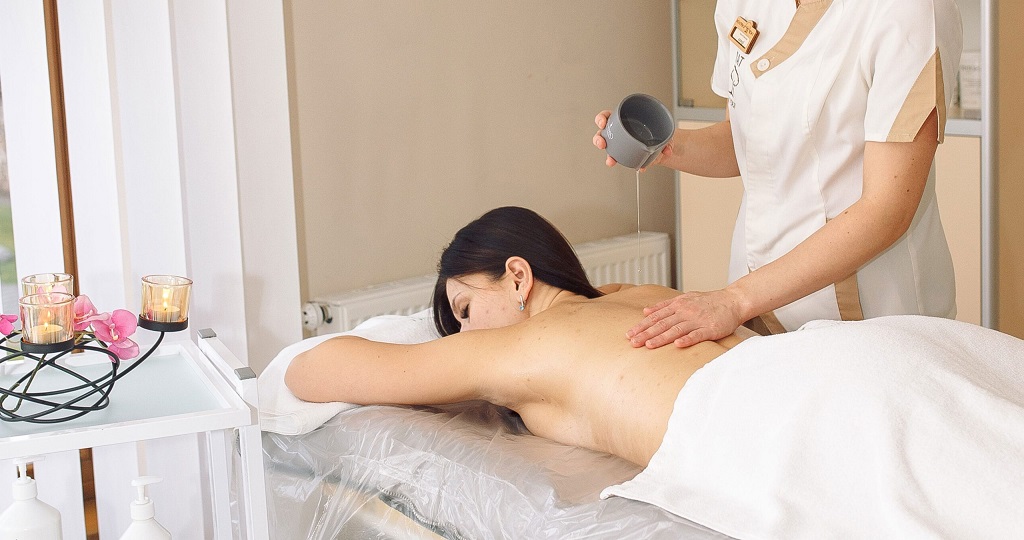
- Mix with a carrier oil (like jojoba or almond) for a calming massage.
Expert Review:
“Aromatherapy works because it bypasses the rational brain and goes straight to the emotional center,” says aromatherapist Jane Buckle. “Inhaling lavender oil can slow your heart rate within minutes.”
Step 5: Practice Progressive Muscle Relaxation
Physical tension and mental stress are deeply connected. Progressive muscle relaxation (PMR) is a technique that involves tensing and then releasing each muscle group to reduce overall tension. It’s been shown to lower cortisol levels by up to 20%.
How to Do PMR:
- Lie down or sit comfortably.
- Start with your feet. Tense the muscles for 5 seconds, then release.
- Move slowly up your body: calves, thighs, glutes, abdomen, hands, arms, shoulders, neck, and face.
- Focus on the difference between tension and relaxation.
Case Study:
After incorporating PMR into her evening spa routine, teacher Lisa noticed her chronic neck pain disappeared. “I didn’t realize how much tension I was holding until I started releasing it intentionally,” she says.
Step 6: Wind Down with a Digital Detox
Screens are one of the biggest barriers to relaxation. The blue light they emit suppresses melatonin, making it harder to fall asleep. A 2026 study by Sleep Medicine Reviews found that people who avoided screens for 60 minutes before bed fell asleep 30% faster and enjoyed deeper sleep.
Digital Detox Tips:
- Set a “no screens” rule 60–90 minutes before bed.
- Charge your phone outside the bedroom.
- Replace scrolling with a book, journal, or audiobook.
- Use blue light filters if you must be on a device.
Pro Tip:
Try a “tech curfew” at 8 PM. Use the extra time for a bath, stretching, or a hobby like knitting or coloring.
Step 7: End with a Sleep-Inducing Ritual
The final step in your evening spa routine should prepare your body for sleep. Try these sleep-inducing rituals:
- Warm Beverage: Sip chamomile tea, warm almond milk with cinnamon, or golden milk (turmeric latte).
- Gentle Yoga or Stretching: Child’s pose, legs-up-the-wall, or a seated forward fold.
- Guided Meditation: Use an app like Headspace or Insight Timer for a 5–10 minute sleep meditation.
- Bedtime Affirmations: Repeat a calming phrase like “I am safe, I am at peace” as you drift off.
Real-Life Example:
After struggling with insomnia for years, software developer Mark ended his evening spa routine with a 10-minute guided meditation. “I used to lie awake for hours,” he says. “Now, I’m usually asleep within 20 minutes.”
Step 8: Create a Sacred Space for Your Routine
Your environment should support your relaxation. Designate a corner of your bathroom or bedroom as your “spa zone.” Keep it stocked with your favorite products and free from clutter. Add elements like:
- A cozy robe or slippers.
- A small fountain or water feature for soothing sounds.
- A basket with your spa essentials (oils, scrubs, candles).
- Soft textiles like a plush towel or eye pillow.
Expert Insight:
“Your space should feel like a hug,” says interior designer Nina Magon. “Use warm colors, soft textures, and minimal distractions to create a cocoon of calm.”
Step 9: Make It a Habit with the 21-Day Rule
Consistency is key to reaping the benefits of your evening spa routine. Research shows it takes 21 days to form a habit. Start small—even 10 minutes of intentional relaxation can make a difference. Use a habit tracker or calendar to mark your progress.
Pro Tip:
Pair your routine with an existing habit (e.g., after brushing your teeth, do 5 minutes of deep breathing). This “habit stacking” makes it easier to stick with.
Step 10: Adapt Your Routine to Your Needs
Your evening spa routine should evolve with your needs. Some nights, you might crave a long bath; other nights, a quick foot soak and meditation will do. Listen to your body and adjust accordingly.
Quick Routine (10–15 minutes):
- 5 minutes of deep breathing.
- 5-minute foot soak with Epsom salts.
- 2 minutes of stretching.
Luxury Routine (45–60 minutes):
- 20-minute bath with essential oils.
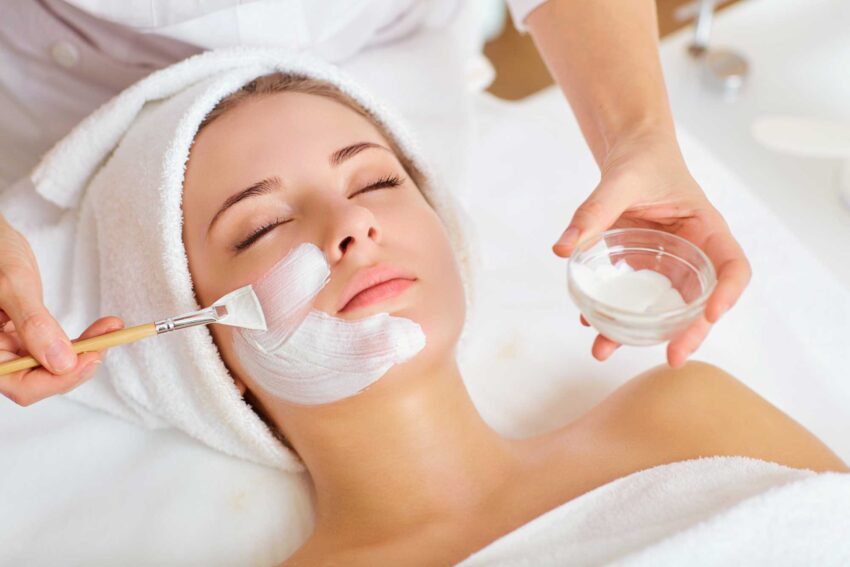
- 10-minute facial mask.
- 15-minute guided meditation.
- 10 minutes of journaling.
Case Study:
Busy mom of two, Rachel, alternates between quick and luxury routines. “Some nights, I only have time for a 5-minute foot rub,” she says. “But even that small act of self-care makes me feel like a new person.”
Related Topics:
- How to Create a Relaxing Aromatherapy Spa at Home: Transform Your Space Into a Sanctuary
-
How to Childproof Your Open-Concept Spa Home: A Parent’s Guide to Safety and Serenity
7 FAQs About Building an Evening Spa Routine
1. How long should my evening spa routine take?
Start with 10–15 minutes and expand as you get comfortable. Even short routines can reduce stress and improve sleep.
2. Do I need to buy expensive products?
No! Use what you have (Epsom salts, coconut oil, candles) and upgrade over time if desired.
3. What if I don’t have a bathtub?
Try a shower steam, foot soak, or dry brushing. The key is the ritual, not the specific tools.
4. Can I do this with kids or a partner?
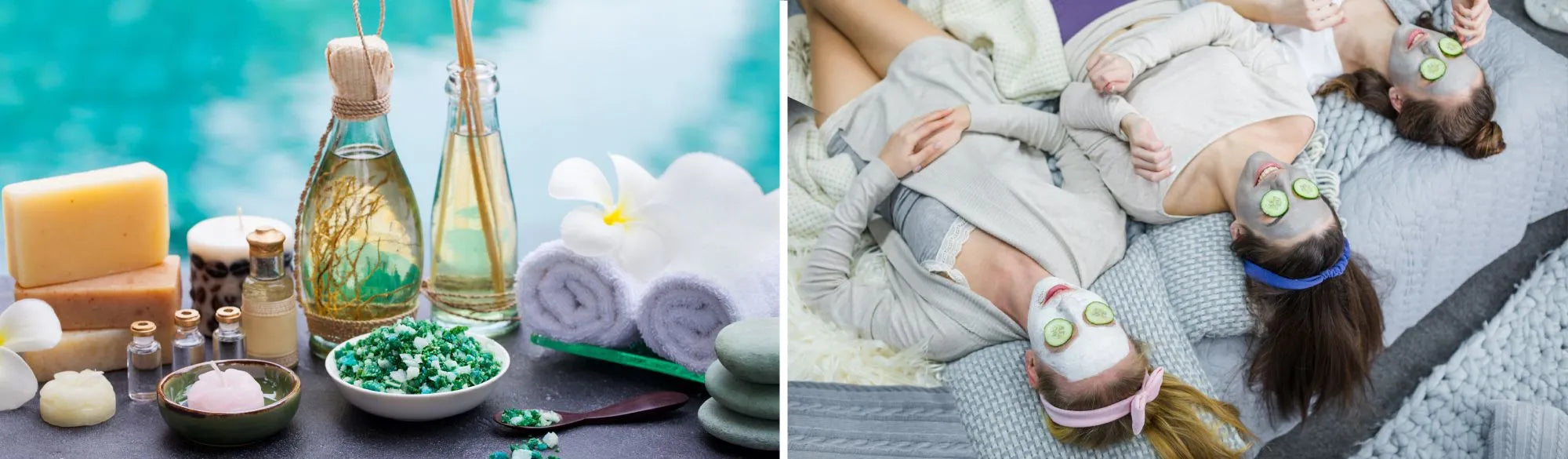
Yes! Involve your family by creating a “family spa night” with foot soaks, face masks, and calming music.
5. How do I stay consistent?
Start small and attach your routine to an existing habit (e.g., after dinner). Use reminders or a habit tracker.
6. What if I’m not a “spa person”?
Focus on the elements you enjoy—maybe it’s stretching, reading, or listening to music. Tailor the routine to your preferences.
7. Can this routine help with anxiety or insomnia?
Yes! Studies show that consistent relaxation routines reduce anxiety and improve sleep quality by regulating the nervous system.
Conclusion: Your Path to Peaceful Evenings Starts Now
Building a relaxing evening spa routine isn’t about indulgence—it’s about reclaiming your peace. In a world that glorifies busyness, carving out time for intentional relaxation is an act of rebellion. It’s a declaration that your well-being matters.
Start small. Pick one or two elements from this guide to incorporate tonight. Maybe it’s a 5-minute foot soak or a cup of chamomile tea. Over time, these moments will compound, transforming your evenings—and your life.
Ready to unwind?
Pick one tip from this guide to try tonight. Share your favorite part of your evening spa routine in the comments—what helps you relax the most? Let’s inspire each other to prioritize peace!
Featured Image Source