
Wellness treatments like cryotherapy and traditional spa massage are gaining popularity. Cryotherapy uses extreme cold to promote healing, while spa massages rely on touch to relax muscles. Both promise benefits like pain relief and stress reduction. But which is better for you? This article compares the two, using research and personal insights to guide your choice. I once tried cryotherapy after a marathon and felt refreshed, but a spa massage later soothed my stress like nothing else. By understanding cryotherapy vs traditional spa massage, you can pick the right option. Let’s explore their benefits, processes, and practical tips.
What is Cryotherapy?
Cryotherapy involves exposing the body to temperatures as low as -200°F for 2-3 minutes. You stand in a chamber while liquid nitrogen cools the air. The cold triggers the body’s fight-or-flight response, boosting blood flow and releasing endorphins. According to a 2018 study in Frontiers in Physiology, cryotherapy reduces inflammation and aids muscle recovery. Athletes like LeBron James use it for post-game recovery. However, it’s not for everyone—people with heart conditions should avoid it. My first session was intense but left me energized. Cryotherapy suits those seeking quick recovery or pain relief. Sessions cost $30-$100, depending on location.
Benefits of Cryotherapy
- Reduces inflammation: Cold constricts blood vessels, lowering swelling.
- Boosts recovery: Athletes recover faster from workouts.
- Improves mood: Endorphins lift spirits, per a 2020 Journal of Clinical Medicine study.
- Burns calories: The body works harder to stay warm, burning up to 800 calories.
What is Traditional Spa Massage?
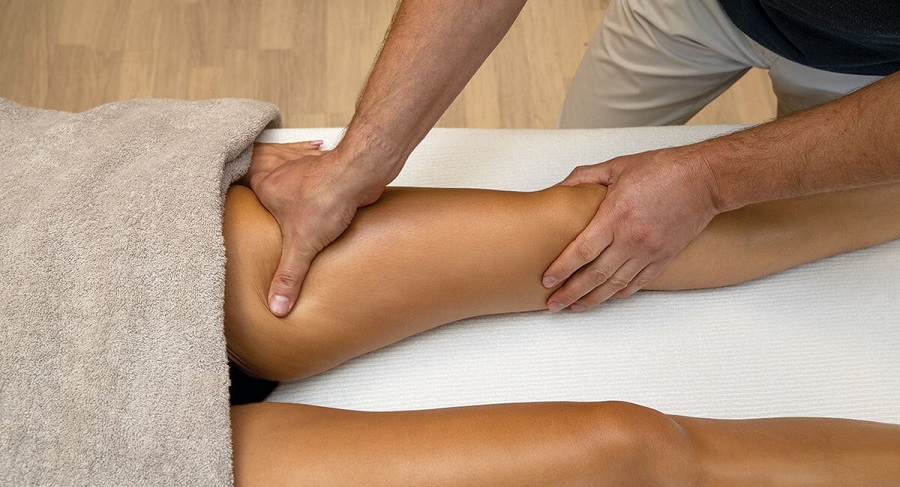
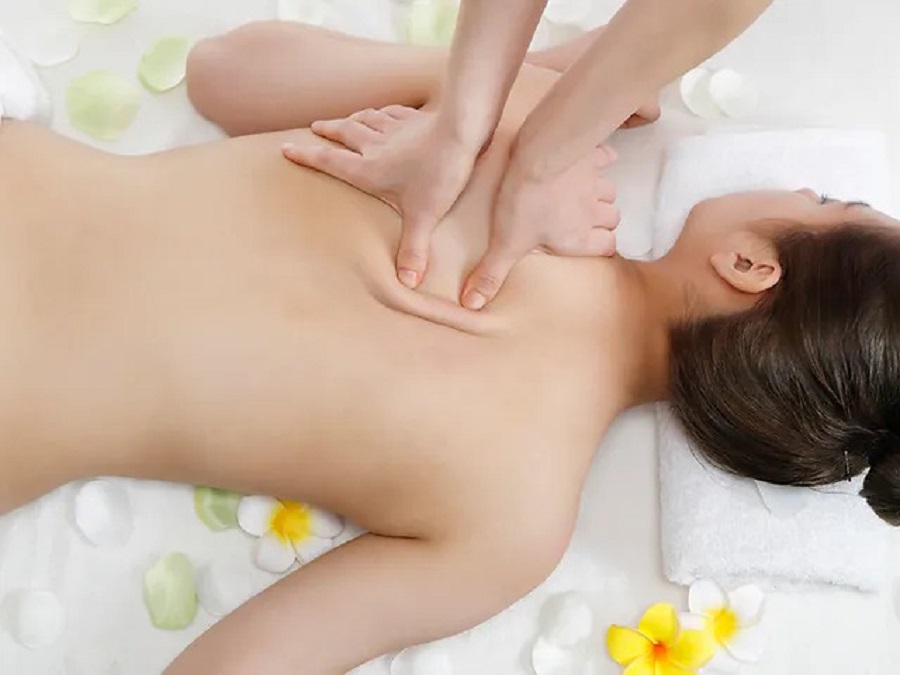
Spa massage involves hands-on techniques like kneading or stroking to relax muscles. Styles include Swedish, deep tissue, and hot stone, lasting 30-90 minutes. A 2019 Journal of Alternative and Complementary Medicine study found massage reduces stress hormones by 31%. It’s ideal for chronic pain or relaxation. My weekly Swedish massage helps me unwind after work. Unlike cryotherapy, massages are customizable, focusing on specific areas. Costs range from $50-$150. However, results depend on the therapist’s skill. Massage is perfect for those craving human touch and gradual relief.
Benefits of Spa Massage
- Relieves stress: Lowers cortisol, promoting calm.
- Eases pain: Targets tight muscles for relief.
- Improves circulation: Enhances blood flow, per the American Massage Therapy Association.
- Boosts flexibility: Loosens joints and muscles.
Key Differences Between Cryotherapy and Spa Massage
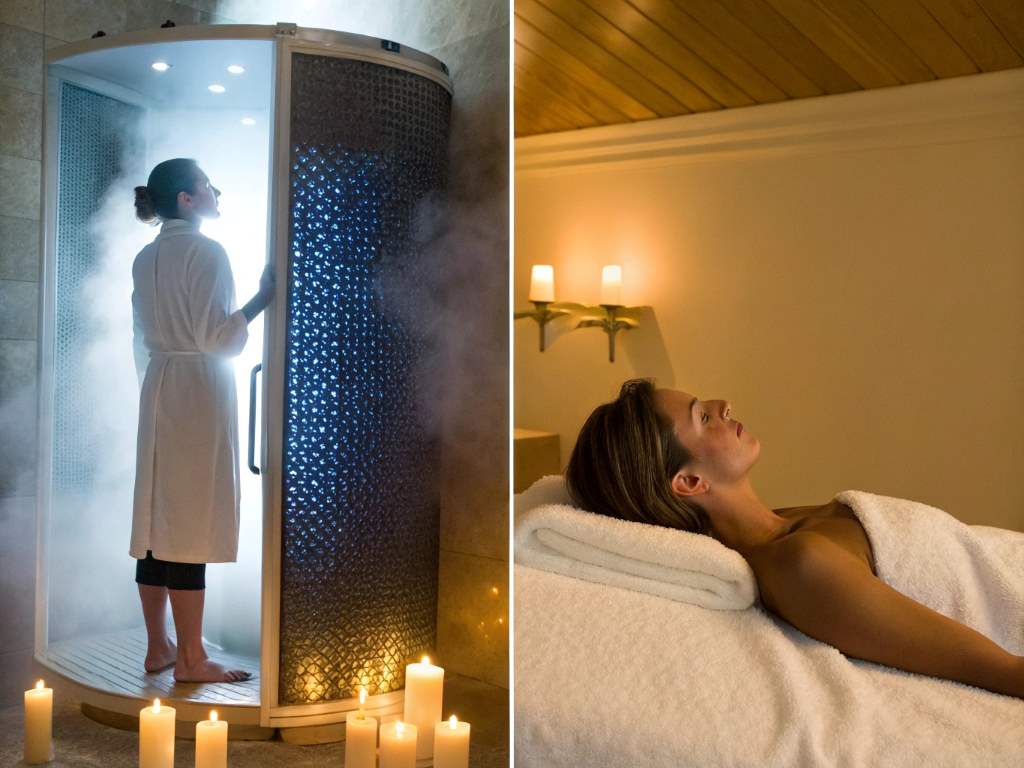
Cryotherapy and spa massage differ in approach, duration, and effects. It is quick, lasting under 5 minutes, while massages take up to an hour. Cryotherapy uses cold to shock the system, ideal for inflammation. Massages use touch for gradual relaxation. A 2021 Sports Medicine study notes cryotherapy’s edge in acute injury recovery, but massages excel for chronic pain. Cryotherapy feels clinical, while massages are nurturing. I found cryotherapy invigorating but impersonal compared to a massage’s warmth. Costs are similar, but cryotherapy requires fewer sessions. Your choice depends on time, goals, and comfort with cold versus touch.
Cryotherapy vs. Massage: Quick Comparison
- Duration: Cryotherapy (2-3 mins) vs. Massage (30-90 mins).
- Method: Cold exposure vs. Manual manipulation.
- Best for: Acute pain (cryotherapy) vs. Chronic stress (massage).
- Experience: Clinical vs. Relaxing.
Actionable Tips to Choose the Right Treatment
Choosing between cryotherapy and spa massage depends on your needs. Here are practical tips to decide:
- Assess your goals: Want quick recovery? Try cryotherapy. Need stress relief? Choose massage.
- Check health conditions: Avoid cryotherapy if you have hypertension. Massages suit most people.
- Consider time: Short on time? Cryotherapy is faster. Have an hour? Book a massage.
- Test both: Try one session of each to compare effects. I did this and preferred massages for relaxation.
- Budget wisely: Cryotherapy may need fewer sessions, saving money long-term.
- Consult professionals: Speak to a therapist or doctor for personalized advice.
Research from the National Center for Complementary and Integrative Health suggests combining therapies for optimal wellness. Always choose certified providers for safety.
Potential Risks and Considerations
Both treatments have risks. Cryotherapy can cause frostbite or dizziness if mishandled. A 2020 Journal of Athletic Training report noted rare skin burns from improper use. Massages may lead to soreness or bruising, especially deep tissue. People with blood clots should avoid massages, per the Mayo Clinic. My cryotherapy session felt safe, but the cold was jarring. Massages never caused issues, but I choose experienced therapists. Always disclose medical history to providers. Pregnant women or those with sensory issues should consult doctors. Safety ensures you enjoy the benefits.
Personal Experience: My Journey with Both
After a 10K run, I tried cryotherapy. The cold was intense, but I felt energized for days. Later, chronic desk job stress led me to massages. A 60-minute Swedish session melted my tension, leaving me calm. Cryotherapy was like a quick reset; massages felt like a warm hug. Both helped, but massages became my go-to for mental health. Your experience may differ, so experiment. Tracking how each makes you feel can guide your choice. Wellness is personal—find what works for you.
Which Should You Choose?
Your choice hinges on lifestyle and needs. Athletes or those with acute pain may prefer cryotherapy’s speed. If stress or chronic pain is your issue, massages offer deeper relaxation. A 2022 Healthline survey found 68% of users preferred massages for emotional wellness. Cryotherapy suits busy schedules, while massages require time. I lean toward massages for their soothing effect, but cryotherapy’s quick boost is undeniable. Try both, starting with a single session. Consult professionals and prioritize certified centers. For more details, visit Healthline.
Conclusion
Cryotherapy and spa massage offer unique paths to wellness. Cryotherapy delivers fast recovery through cold, while massages provide lasting relaxation via touch. Both reduce pain and stress, but their methods differ. Research, like studies from Frontiers in Physiology, supports their benefits. My experiences highlight their strengths—cryotherapy for energy, massages for calm. Consider your goals, time, and health before choosing.
When considering cryotherapy vs traditional spa massage, think about your wellness goals, the time you can dedicate to each treatment, and your overall health. Try one or both to discover your fit. Wellness is a journey, so experiment wisely. Share your thoughts in the comments or spread this article to help others decide!
FAQs
What is the main difference between cryotherapy and spa massage?
Cryotherapy uses extreme cold for quick recovery, while spa massage uses touch for relaxation and pain relief.
Is cryotherapy safe for everyone?
No, people with heart conditions or hypertension should avoid cryotherapy. Consult a doctor first.
How often should I get a spa massage?
Weekly or biweekly massages help with stress and pain, depending on your needs and budget.
Can cryotherapy help with mental health?
Yes, cryotherapy boosts endorphins, improving mood, as noted in a 2020 Journal of Clinical Medicine study.
Which is more cost-effective?
Cryotherapy may be cheaper long-term due to fewer sessions, but costs vary by location.