
In the relentless rhythm of daily life, men often bear the brunt of physical stress and strain. Long hours on their feet, demanding work environments, and the wear and tear of an active lifestyle can take a toll on their overall well-being. While the concept of massage might conjure images of luxury and pampering, it’s far more than just a fleeting indulgence. For men, foot massage, in particular, offers a powerful pathway to unlocking a wealth of physical and mental benefits. This comprehensive guide delves deep into the world of male foot massage, exploring the intricacies of pressure points, the art of targeted massage techniques, and the myriad advantages it offers. Whether you’re seeking relief from aching feet, a way to alleviate stress, or simply a means to enhance your overall health, understanding the nuances of foot massage can empower you to take charge of your well-being.
Charting the Path to Relief: Male Foot Massage Pressure Points
The human foot, a marvel of engineering, comprises a network of intricate connections that link to various organs and systems throughout the body. Traditional Chinese Medicine (TCM) and reflexology recognize specific points on the feet, known as pressure points or acupoints, which correspond to these organs and energy channels. By applying targeted pressure to these points, foot massage can stimulate energy flow, promote healing, and restore balance within the body.
Let’s explore some key pressure points on the male foot and their associated benefits:
Yongquan (Kidney 1):
Located in the center of the sole, slightly below the ball of the foot, this point is associated with the kidneys, which play a vital role in detoxification and overall vitality. Massaging this point can help alleviate fatigue, boost energy levels, and promote kidney health.
Taichong (Liver 3):
Situated on the top of the foot, in the webbing between the big toe and the second toe, this point is linked to the liver, responsible for regulating emotions and stress responses. Stimulating this point can help reduce stress, anxiety, and irritability.
Sanyinjiao (Spleen 6):
Found on the inner side of the lower leg, about four finger-widths above the ankle bone, this point is connected to the spleen, which governs digestion and nutrient absorption. Massaging this point can aid digestion, improve sleep quality, and boost overall immunity.
Zusanli (Stomach 36):
Located on the outer side of the lower leg, about four finger-widths below the kneecap, this point is associated with the stomach and digestive system. Stimulating this point can relieve digestive discomfort, nausea, and vomiting.
Taixi (Kidney 3):
Situated on the inner side of the ankle, in the depression between the ankle bone and the Achilles tendon, this point is linked to the kidneys and adrenal glands. Massaging this point can help regulate blood pressure, reduce anxiety, and improve sleep.
These are just a few of the many pressure points on the male foot that can be targeted during a massage. A skilled therapist can assess your individual needs and tailor the massage to address specific concerns, whether it’s pain relief, stress reduction, or overall wellness.

The Art of Touch: Male Foot Massage Techniques
While understanding pressure points is crucial, the art of foot massage lies in the skillful application of various techniques. A combination of strokes, pressure, and rhythm can create a symphony of sensations that promote relaxation, healing, and rejuvenation.
Some common massage techniques used in foot massage include:
- Effleurage: Long, gliding strokes that warm up the muscles and promote relaxation.
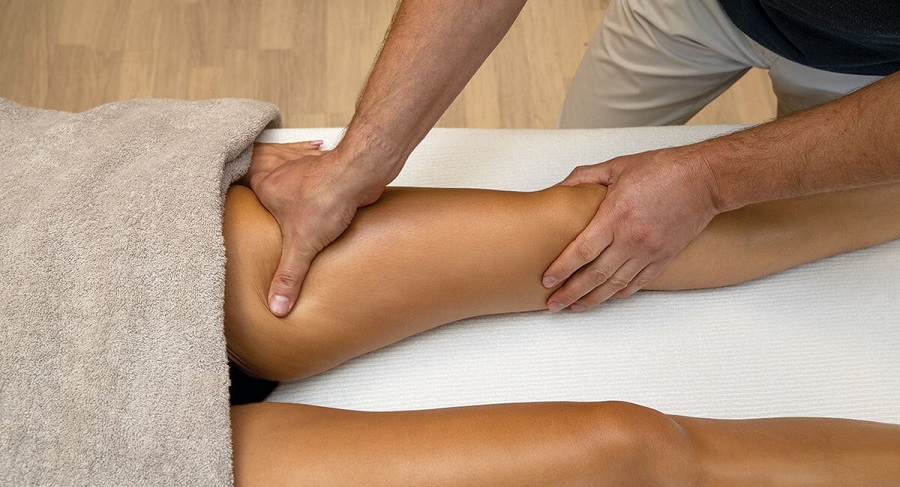
- Petrissage: Kneading and squeezing motions that release tension and improve circulation.
- Friction: Circular or transverse movements that target deeper tissues and break up adhesions.
- Tapotement: Rhythmic tapping or percussion that stimulates nerve endings and invigorates the muscles.
- Vibration: Shaking or trembling movements that soothe the nerves and promote relaxation.
The therapist may also incorporate stretching and range-of-motion exercises to enhance flexibility and mobility in the feet and ankles.
Reviews: Men Speak Out on the Benefits of Male Foot Massage
The efficacy of foot massage isn’t just anecdotal; it’s backed by the experiences of countless men who have incorporated it into their wellness routines. Here’s what some men have to say about the benefits they’ve reaped from regular foot massage:
- Pain Relief: “I used to suffer from chronic foot pain due to plantar fasciitis. Regular foot massages have significantly reduced my pain and improved my mobility.” – John S.
- Stress Reduction: “After a long day at work, a foot massage is the perfect way to unwind and de-stress. It melts away tension and leaves me feeling refreshed and rejuvenated.” – Mark D.
- Improved Sleep: “I’ve always struggled with insomnia, but since I started getting regular foot massages, I’ve noticed a significant improvement in my sleep quality. I fall asleep faster and wake up feeling more rested.” – David L.
- Enhanced Athletic Performance: “As a runner, I’m prone to foot injuries and muscle soreness. Foot massage helps me recover faster, prevent injuries, and improve my overall performance.” – Michael P.
- Increased Energy Levels: “I used to feel sluggish and fatigued throughout the day. Foot massage has given me a noticeable boost in energy and vitality.” – Chris B.
These testimonials highlight the transformative power of foot massage in addressing a wide range of concerns, from pain management to stress relief and overall well-being.
Pros and Cons: Weighing the Benefits and Considerations
Like any wellness practice, foot massage comes with its own set of pros and cons. Understanding these can help you make informed decisions about incorporating it into your self-care routine.
Pros:
- Pain Relief: Foot massage can effectively alleviate pain associated with conditions like plantar fasciitis, heel spurs, and bunions.
- Stress Reduction: The relaxing effects of foot massage can help reduce stress, anxiety, and tension.
- Improved Circulation: Massage techniques stimulate blood flow, which can benefit those with poor circulation or diabetes.
- Enhanced Sleep Quality: Foot massage can promote relaxation and improve sleep patterns.
- Increased Energy Levels: By stimulating acupoints and promoting energy flow, foot massage can boost vitality and combat fatigue.
- Improved Mood: The release of endorphins during massage can elevate mood and promote a sense of well-being.
- Non-Invasive and Safe: Foot massage is a generally safe and non-invasive therapy with minimal side effects.
Cons:
- Cost: Regular professional massages can be expensive.
- Time Commitment: Setting aside time for massage appointments can be challenging for some individuals.
- Contraindications: Certain medical conditions, such as deep vein thrombosis or open wounds, may preclude foot massage.
- Sensitivity: Some individuals may find certain massage techniques or pressure levels uncomfortable.
- Finding a Qualified Therapist: It’s essential to find a qualified and experienced therapist to ensure a safe and effective massage.
FAQ: Addressing Common Queries about Male Foot Massage
Q: How often should I get a foot massage?
A: The frequency of foot massage depends on individual needs and goals. For general wellness, once or twice a month may suffice. For specific conditions or pain management, more frequent sessions may be beneficial.
Q: How long does a typical male foot massage last?
A: A typical foot massage session can range from 30 to 60 minutes, depending on the techniques used and the areas targeted.
Q: Can I perform foot massage on myself?
A: Yes, self-massage is a great way to experience the benefits of foot massage between professional sessions. There are numerous resources available online and in print that provide guidance on self-massage techniques.
Q: What should I expect during my first foot massage?
A: During your first session, the therapist will likely ask about your health history and any specific concerns you may have. They will then assess your feet and tailor the massage accordingly. You may be asked to remove your shoes and socks, and the therapist may use oil or lotion to facilitate the massage.
Q: Are there any side effects of male foot massage?
A: Foot massage is generally safe, but some individuals may experience mild soreness or tenderness afterward. If you have any concerns, it’s best to consult with your doctor or the therapist.
Q: How do I find a qualified foot massage therapist?
A: You can ask for recommendations from friends, family, or healthcare providers. You can also search online directories or check with professional organizations like the American Massage Therapy Association (AMTA).
Conclusion: Stepping into a World of Wellness
Foot massage, often overlooked in the realm of men’s health, offers a profound pathway to unlocking physical and mental well-being. By understanding the intricacies of pressure points, massage techniques, and the myriad benefits it offers, men can empower themselves to take charge of their health and embrace a life of vitality and balance.
Whether you’re seeking relief from pain, a way to alleviate stress, or simply a means to enhance your overall health, incorporating foot massage into your wellness routine can be a transformative step towards a healthier, happier you. So, step into a world of wellness and discover the power of touch to heal, rejuvenate, and restore your body and mind.