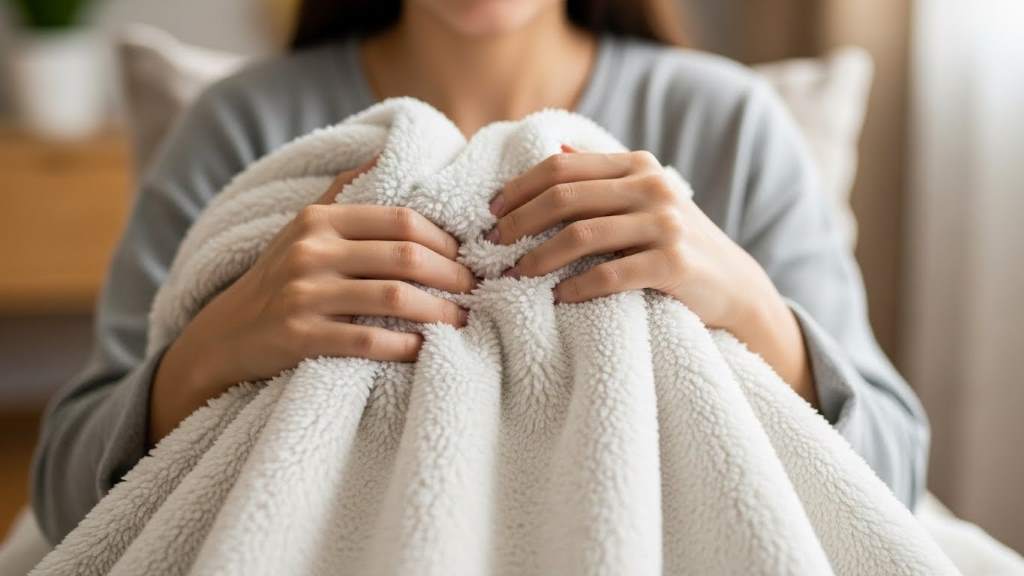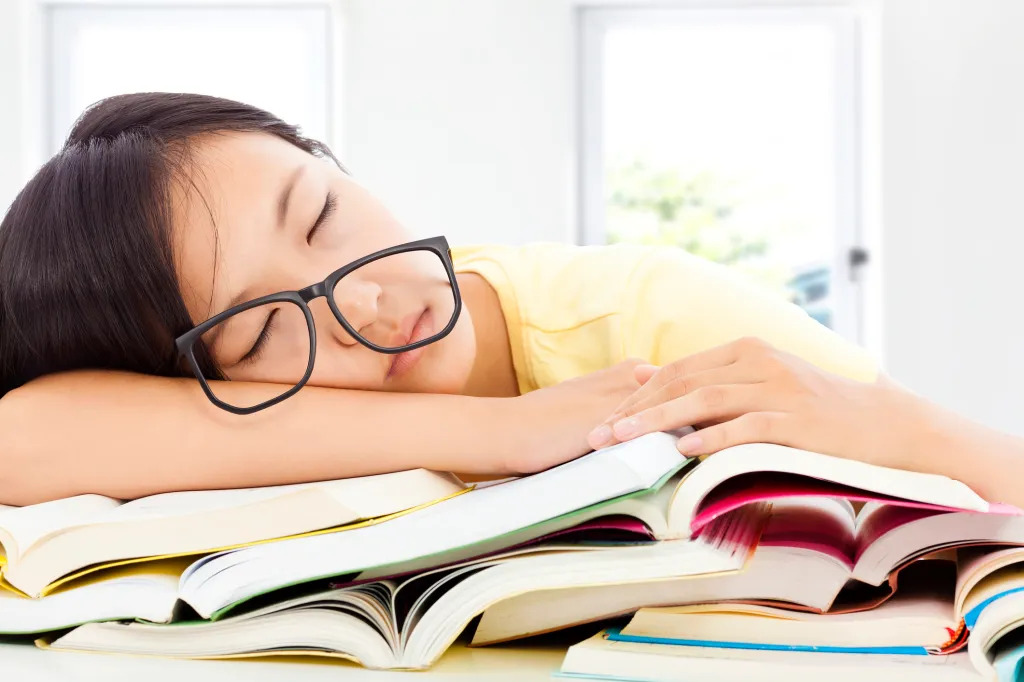

In our fast-paced lives, stress has become an unwelcome companion. The constant juggling of work, family, and personal commitments can leave us feeling overwhelmed and drained. Fortunately, a plethora of relaxation techniques exists to help you de-stress, recharge, and find your inner calm. Whether you’re a beginner seeking an introduction to relaxation or someone looking to expand their toolkit, this guide will unveil the best practices for you.
Understanding Stress and the Importance of Relaxation
Before we dive into the techniques, let’s briefly acknowledge the impact of stress on our well-being. Stress is the body’s natural response to demands, but chronic stress can lead to a host of physical and mental health problems. Relaxation techniques counteract this by activating the body’s parasympathetic nervous system, responsible for rest and digestion.
-
Mindfulness Meditation: Embrace the Present Moment
Mindfulness meditation involves paying non-judgmental attention to the present moment. By focusing on your breath, bodily sensations, or a mantra, you can quiet the mind’s chatter and cultivate a sense of inner peace. Regular practice can reduce anxiety, improve sleep, and enhance overall emotional well-being.
-
Deep Breathing Exercises: Harness the Power of Your Breath
Deep breathing techniques, such as diaphragmatic breathing or box breathing, engage the diaphragm and slow down your heart rate. This simple yet effective method can be practiced anywhere and is an excellent tool for managing stress in the moment.

Related: Relaxation Station: Perfect for Meditation and Inner Peace
-
Progressive Muscle Relaxation: Release Tension from Head to Toe
This technique involves systematically tensing and relaxing different muscle groups in your body. By becoming aware of muscle tension and then consciously releasing it, you can achieve a state of deep relaxation. Progressive muscle relaxation is especially helpful for those with physical tension or sleep difficulties.
-
Yoga and Tai Chi: Mind-Body Connection for Stress Relief
These ancient practices combine gentle movements, deep breathing, and mindfulness. Yoga’s various postures and stretches promote flexibility, strength, and stress reduction. Tai Chi, with its flowing movements, fosters a sense of tranquility and balance.
-
Nature Therapy: Immerse Yourself in the Healing Power of Nature
Spending time in nature has a profound effect on our well-being. Whether it’s a walk in the park, a hike in the woods, or simply sitting by a lake, nature can reduce stress hormones, boost mood, and enhance creativity.
-
Creative Expression: Unleash Your Inner Artist
Engaging in creative activities like painting, drawing, writing, or playing music can be a powerful way to de-stress. The act of self-expression allows you to channel your emotions in a healthy way, leading to a sense of accomplishment and renewed energy.
-
Aromatherapy: Engage Your Senses with Soothing Scents
Essential oils derived from plants can be used to promote relaxation and well-being. Lavender, chamomile, and bergamot are known for their calming properties. Incorporate aromatherapy into your routine through diffusers, baths, or massage oils.
-
Journaling: Express Your Thoughts and Emotions on Paper
Writing down your thoughts and feelings can be a cathartic experience. Journaling helps you gain clarity, process emotions, and identify stressors. It can be a valuable tool for self-reflection and personal growth.
Choosing the Right Techniques for You
With so many relaxation techniques available, it’s essential to find what resonates with you. Experiment with different methods and see what fits best into your lifestyle and preferences. Remember, consistency is key. Incorporate relaxation practices into your daily routine for optimal results.
Seeking Professional Help
If you’re struggling with chronic stress or anxiety, don’t hesitate to seek professional help. Therapists and counselors can provide guidance and support in developing a personalized stress management plan.
Conclusion
Incorporating relaxation techniques into your life is an investment in your well-being. By prioritizing relaxation, you’ll not only manage stress more effectively but also enhance your overall quality of life. So, take a deep breath, explore the techniques mentioned here, and embark on your journey to a calmer, more balanced you.