
Relieving muscle soreness after intense workouts can feel like an uphill battle. However, incorporating spa treatments into your post-workout routine might be the ultimate game-changer. These treatments not only alleviate discomfort but also optimize recovery, improve performance, and reduce fatigue.
In this guide, we dive into the science-backed strategies of post-workout spa recovery for muscle soreness, offering practical tips and insights to make your recovery sessions highly effective.
Why Post-Workout Spa Recovery for Muscle Soreness Matters
Muscle soreness, formally known as Delayed Onset Muscle Soreness (DOMS), is a common outcome of strenuous exercise. According to research, DOMS peaks 24-72 hours post-exercise and is primarily caused by microscopic muscle damage. Spa recovery methods target inflammation and enhance circulation, accelerating the healing process.
Spa treatments have gained significant traction among athletes, with studies showing their ability to reduce DOMS by up to 30%. Whether you’re a seasoned athlete or a fitness enthusiast, embracing these therapies can significantly improve your training outcomes.

Best Spa Treatments for Muscle Recovery
Hydrotherapy: The Power of Water
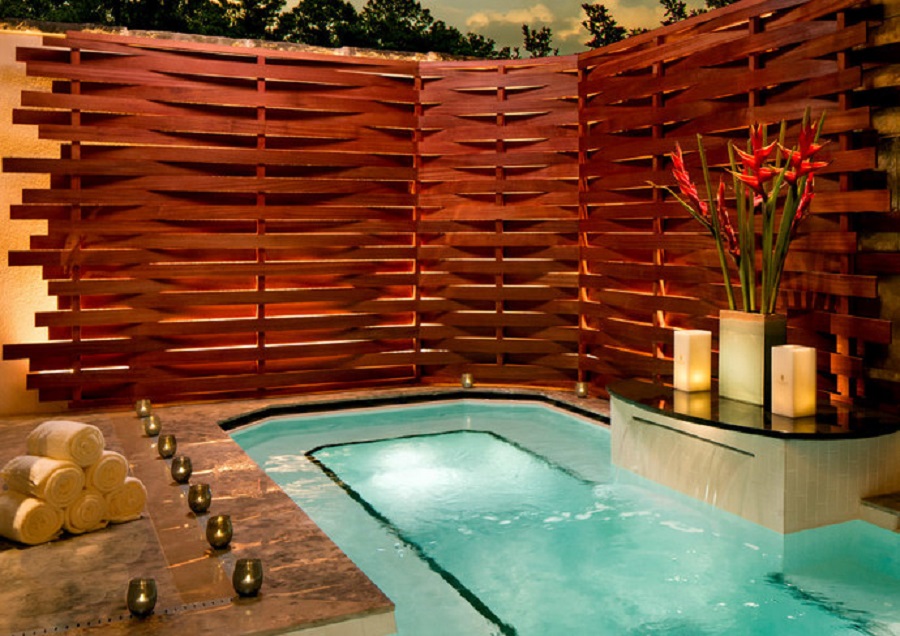
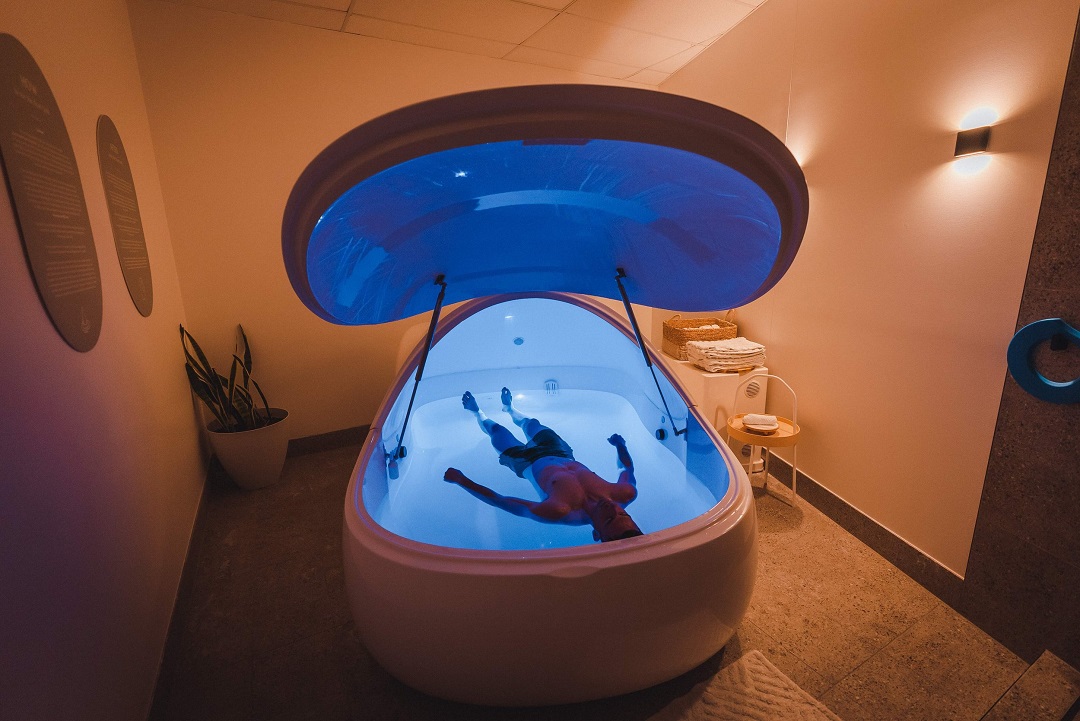
Hydrotherapy is one of the most effective ways to reduce muscle soreness. Warm water immersion boosts circulation, delivering oxygen and nutrients to damaged muscles, while cold water immersion (cryotherapy) minimizes inflammation. Alternating between hot and cold baths, a method called contrast water therapy, has been shown to reduce DOMS significantly.
A study published in the Journal of Strength and Conditioning Research noted that contrast water therapy reduced muscle soreness by 25% compared to passive recovery.
Massage Therapy: Hands-On Healing
Massage therapy enhances blood flow, relaxes muscles, and promotes lymphatic drainage. A 2020 meta-analysis revealed that massage therapy reduced DOMS severity by 20% within 48 hours post-exercise.
Popular Types of Massage for Muscle Soreness
- Deep Tissue Massage: Targets deeper layers of muscle for significant tension relief.
- Sports Massage: Focuses on problem areas and prevents injury.
- Swedish Massage: Uses gentle strokes for overall relaxation.
Sauna Therapy for Relaxation and Detox
Spending time in a sauna post-workout can be an excellent recovery tool. Saunas increase circulation, reduce stiffness, and promote detoxification through sweat.
Pro Tip: A 15-minute sauna session post-exercise can lower cortisol levels, enhancing relaxation and muscle recovery.
Aromatherapy: Beyond Relaxation
Aromatherapy, often underrated, uses essential oils to enhance recovery. Lavender, peppermint, and eucalyptus oils have anti-inflammatory properties and help alleviate muscle tension.
DIY Tip: Add a few drops of your preferred essential oil to a warm bath for a rejuvenating soak.
Stretching and Foam Rolling Integration
While spa treatments work wonders, pairing them with active recovery techniques like stretching and foam rolling amplifies results. Foam rolling breaks up fascia adhesions, improving flexibility and reducing soreness.
Combining Spa Recovery with Nutrition
Post-workout spa recovery should not exist in isolation. Proper nutrition complements these treatments by providing the building blocks needed for muscle repair.
- Protein: Supports muscle regeneration.
- Omega-3 Fatty Acids: Reduces inflammation.
- Antioxidants: Neutralize free radicals generated during exercise.
Statistical Insight: Consuming 20-40 grams of protein within 2 hours post-exercise enhances muscle repair by up to 50%.
Selecting the ideal spa therapy depends on factors like exercise intensity, pain level, and personal preferences. Consulting a physical therapist or spa professional can help tailor treatments to your needs.
Creating a Post-Workout Spa Routine
- Day 1: Hydrotherapy for inflammation.
- Day 2: Massage therapy to release tension.
- Day 3: Sauna session for detox and relaxation.
FAQs
How soon after a workout should I use spa treatments?
It’s best to start spa treatments within 24 hours post-workout to optimize recovery and reduce muscle soreness.
Are spa treatments suitable for everyone?
Yes, but individuals with specific health conditions should consult a doctor before starting any spa therapy.
Can I combine spa treatments with other recovery methods?
Absolutely! Combining treatments like stretching, foam rolling, and proper nutrition enhances recovery.
Is cold water immersion better than warm water?
Both have benefits. Cold water reduces inflammation, while warm water improves circulation. Alternating between them maximizes results.
What are the risks of post-workout spa treatments?
When done correctly, spa treatments are safe. However, excessive heat or prolonged immersion can lead to dehydration or skin irritation.
How long should a recovery session last?
Most spa treatments are effective within 15-30 minutes, depending on the therapy.
Conclusion
Post-workout spa recovery for muscle soreness is more than a luxury—it’s a strategic approach to enhance muscle recovery, prevent injuries, and elevate overall performance. By incorporating evidence-based treatments like hydrotherapy, massage, and sauna sessions into your routine, you can unlock the full potential of your fitness journey.