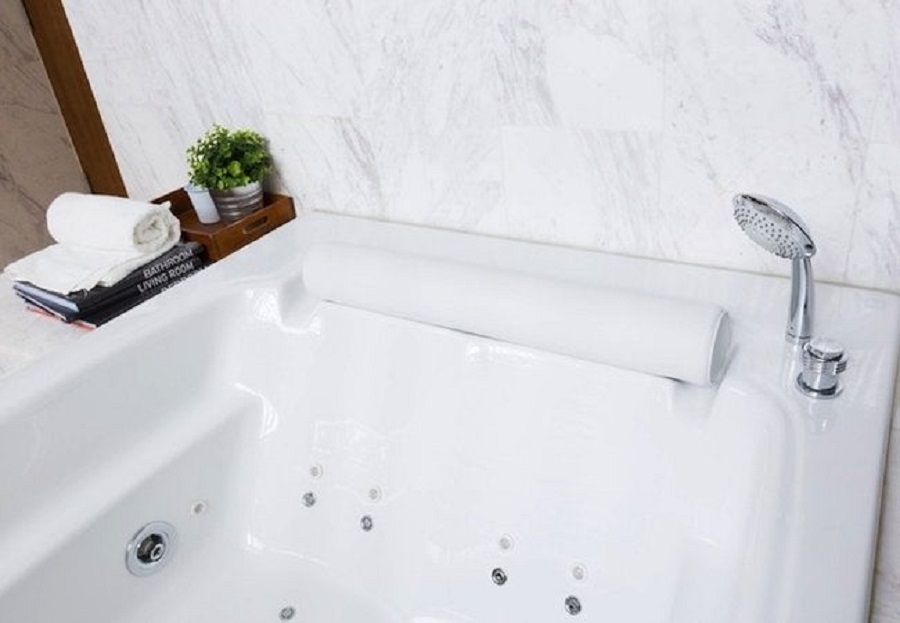

Your spa is your personal oasis, a sanctuary where you escape the world’s chaos. It’s a place to relax, rejuvenate, and recharge. But like any sanctuary, it requires care and attention to maintain its pristine condition. Let’s dive into the world of spa maintenance tips and discover how to keep your oasis flourishing.
Understanding the Importance of Spa Maintenance
Imagine stepping into your spa, only to find cloudy water, clogged filters, or a malfunctioning jet. It’s a dream shattered, isn’t it? Regular spa maintenance is not just about aesthetics; it’s about health, hygiene, and longevity. A well-maintained spa offers a clean, inviting environment, preventing the growth of harmful bacteria and algae. It also ensures your spa equipment functions optimally, saving you money on repairs and replacements.
Water Chemistry: The Lifeline of Your Spa

Water chemistry is the cornerstone of spa maintenance. It’s like baking a cake; you need the right ingredients in the right proportions. The key players here are pH, alkalinity, and calcium hardness.
- pH: This measures the acidity or alkalinity of your spa water. The ideal pH level is between 7.2 and 7.8. A pH imbalance can irritate your skin and eyes, and it can also affect the efficiency of your spa chemicals.
- Alkalinity: This is a measure of the water’s ability to resist pH changes. Proper alkalinity levels help maintain a stable pH.
- Calcium Hardness: High calcium levels can lead to scale formation, which can damage your spa equipment. Low calcium levels can cause corrosion.
To maintain optimal water chemistry, invest in a reliable test kit and check the levels regularly. There are various spa chemicals available to balance the water, but always follow the spa maintenance tips.
Filtration: The Spa’s Immune System
Your spa’s filter is its immune system, working tirelessly to keep the water clean. Imagine your filter as a superhero, fighting off dirt, debris, and other contaminants. Regular filter cleaning is essential to maintain its effectiveness.
Most spa filters need cleaning every 1-2 weeks. To clean your filter, remove it from the spa, hose it off, and soak it in a filter cleaning solution. For stubborn dirt, you can use a soft brush. Remember to rinse the filter thoroughly before reinstalling it. If your filter is beyond cleaning, it’s time for a replacement.
Shock Treatment: Keeping Bacteria at Bay
Shock treatment is like a deep clean for your spa. It’s a powerful oxidizer that kills bacteria and algae, preventing them from multiplying. Regular shock treatments, especially after heavy use or during periods of high temperatures, are crucial. Follow the manufacturer’s instructions for the type and amount of shock to use.
Cover Care: Protecting Your Investment
Your spa cover is more than just a cover; it’s a shield protecting your spa from the elements. A well-maintained cover helps to conserve heat, prevent debris from entering the spa, and reduce water evaporation.
Regularly clean your spa cover with a mild detergent solution and a soft brush. Remove any leaves or debris promptly. Check the cover for tears or damage and repair them immediately. For added protection, consider using a cover conditioner.
Jet Care: Maintaining Hydrotherapy Bliss
Your spa jets are the heart of your hydrotherapy experience. To keep them clean and functioning optimally, rinse them with fresh water after each use. Periodically, you can use a jet cleaner to remove any mineral deposits or buildup.
Energy Efficiency: Saving Money and the Planet
Running a spa can be energy-intensive. However, there are steps you can take to reduce your energy consumption.
- Insulate Your Spa: Proper insulation helps to retain heat, reducing the need for frequent heating cycles.
- Use a Spa Cover: A well-fitted spa cover significantly reduces heat loss.
- Lower the Temperature: Reducing the water temperature by just a few degrees can make a noticeable difference in energy consumption.
- Regular Maintenance: A well-maintained spa operates more efficiently, using less energy.
Troubleshooting Common Spa Problems
Even with the best care, spa problems can arise. Here are some common issues and their potential solutions:
- Cloudy Water: This is often caused by an imbalance in water chemistry, inadequate filtration, or body oils. Check your water chemistry, clean your filter, and consider using a water clarifier.
- Algae Growth: Algae thrive in warm, nutrient-rich environments. Shock your spa, clean your filter, and ensure proper water circulation.
- Scale Formation: This is caused by high calcium hardness levels. Use a calcium reducer and regularly clean your spa equipment.
Professional Maintenance: When to Call in the Experts
While regular DIY maintenance is essential, there may be times when you need professional help. If you’re experiencing persistent problems, if your spa equipment is malfunctioning, or if you’re unsure about something, it’s best to consult a spa professional.
Conclusion
Maintaining your spa might seem like a daunting task, but it’s worth the effort. A well-maintained spa is a haven of relaxation and rejuvenation. By following these spa maintenance tips and establishing a regular maintenance routine, you can enjoy your spa for years to come. Remember, prevention is key. Regular care will save you time, money, and headaches in the long run.