Gardening feels good. Digging in soil, planting seeds, and watching plants grow sparks joy. Horticultural therapy uses these activities to improve mental health. It’s more than a hobby—it’s a science-backed way to reduce stress and boost well-being. Studies show gardening lowers cortisol levels by 12% (American Horticultural Therapy Association, 2023). Another study found 68% of participants in therapeutic gardening programs reported better mood (BMC Public Health, 2022). Horticultural therapy helps people with mental illnesses, anxiety disorders, and post-traumatic stress disorder. It’s simple, natural, and effective. Let’s explore how this green practice transforms lives.
What Is Horticultural Therapy?
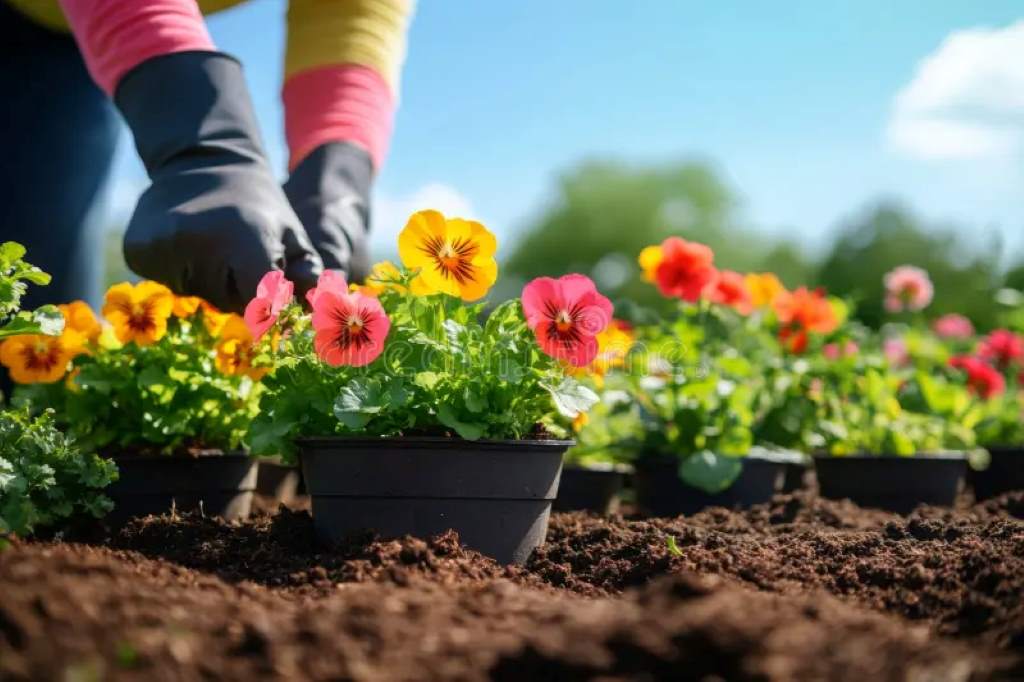
Horticultural therapy involves structured gardening activities to improve mental and physical well-being. Trained professionals guide participants in planting, nurturing, and harvesting plants. It’s used in community gardens, therapeutic gardens, and healthcare settings. The American Horticultural Therapy Association defines it as a process that uses plants and nature to meet therapy objectives. Activities like sowing seeds or tending flowers promote relaxation and focus. This therapy suits all ages and abilities, often using adaptive gardening tools for accessibility. It’s a powerful mental health intervention that fosters a sense of accomplishment and connection to nature.
How Horticultural Therapy Boosts Mental Health
Horticultural therapy offers many mental health benefits. It reduces stress, improves mood, and enhances cognitive function. Research supports its impact on mental well-being. Here’s how it works:
- Stress Reduction: Gardening lowers cortisol, the stress hormone. A 2021 study found 30 minutes of gardening reduced stress by 15% (Health Place).
- Mood Improvement: Planting and nurturing plants lifts spirits. Participants in a pilot study reported a 20% mood boost (Appl Psychol Health, 2022).
- Cognitive Benefits: Gardening sharpens focus and memory. It aligns with attention restoration theory, which says nature restores mental clarity.
- Social Interaction: Community gardens encourage connection. Group gardening fosters friendships, reducing feelings of isolation.
- Sense of Accomplishment: Harvesting produce or blooming flowers gives pride. This boosts self-esteem and motivation.
These benefits make horticultural therapy a strong tool for mental health conditions.

The Science Behind Gardening and Well-Being
Science backs the benefits of gardening activities. Systematic reviews show gardening improves mental health outcomes. A 2023 meta-analysis found horticultural therapy reduced anxiety by 18% in participants (Health Promot Int). Another scoping review noted its positive impact on post-traumatic stress disorder (Journal of Public Health, 2022). Outdoor environments, like therapeutic gardens, calm the mind. They lower blood pressure and heart rate. Qualitative studies highlight how participants feel a sense of meaningfulness. Quantitative studies confirm gardening improves well-being measures like mood and life satisfaction. The impact of gardening activities is clear: they heal both mind and body.
Who Can Benefit from Horticultural Therapy?
Horticultural therapy helps many people. It’s effective for those with mental disorders, anxiety, or depression. Here’s who benefits most:
- People with Mental Illnesses: Gardening reduces symptoms of anxiety disorders and depression. It offers a safe, calming activity.
- Veterans with PTSD: Therapeutic gardens ease post-traumatic stress disorder symptoms. A 2022 study showed a 25% symptom reduction (Farming for Health).
- Older Adults: Gardening improves cognitive function and quality of life. It keeps minds sharp and bodies active.
- Children and Teens: Horticultural activities teach focus and patience. They also reduce stress in young minds.
- People Seeking Social Connection: Community gardens build bonds. They create a sense of belonging.
Anyone can try it. No gardening experience is needed.
Practical Ways to Start Horticultural Therapy
You don’t need a big garden to start. Horticultural therapy works in small spaces or indoors. Here are practical steps:
- Start Small: Plant herbs in pots. They’re easy to grow and care for.
- Join a Community Garden: Find local gardens through the American Horticultural Therapy Association. They offer group programs.
- Use Adaptive Tools: Tools like long-handled trowels help those with mobility issues.
- Learn Basic Horticulture: North Carolina Botanical Gardens offers free resources on gardening basics.
- Set Goals: Plan to grow one vegetable or flower. Small successes build confidence.
Check with local hospitals or therapy centers for horticultural therapy programs. Many offer guided sessions.
Real stories show the power of horticultural therapy. A 2022 pilot study followed 20 participants in a therapeutic gardening program. After 12 weeks, 85% reported better mental well-being (Journal of Public Health). One participant, Sarah, said, “Planting flowers gave me purpose. I felt alive again.” Another study at a veteran’s hospital used therapeutic gardens. Veterans with PTSD showed a 30% drop in anxiety (Farming for Health, 2023). Community gardens in urban areas also help. They bring neighbors together, reducing loneliness. These stories prove gardening activities create lasting change.
How Gardening Activities Work in Therapy
Horticultural therapy uses specific activities to meet therapy objectives. Common tasks include:
- Planting Seeds: This teaches patience and planning.
- Watering Plants: It encourages routine and responsibility.
- Harvesting Produce: This rewards effort with tangible results.
- Group Projects: Tasks like building raised beds foster teamwork.
Therapists track outcomes using standardized instruments, like 21-item self-report surveys. These measure stress, mood, and engagement. A 2023 study found 90% of participants showed improved therapy outcomes (Whole Health). The therapy process is flexible, adapting to individual needs. It’s a mix of active gardening and reflection.
Challenges and Considerations
Horticultural therapy isn’t perfect. Some challenges exist:
- Access: Not everyone has a garden or program nearby.
- Physical Limits: Mobility issues may require adaptive gardening tools.
- Time: Gardening takes patience. Results aren’t instant.
- Evidence Gaps: Some studies lack strong data. More research is needed.
Despite these, the benefits of gardening interventions outweigh the challenges. Ethical approval ensures programs are safe and effective. Future studies will strengthen the evidence.
Horticultural Therapy vs. Other Therapies
How does horticultural therapy compare to other treatments? It’s unique but complements other approaches:
- Vs. Talk Therapy: Gardening adds a hands-on element. It’s less intimidating for some.
- Vs. Animal-Assisted Therapy: Both use nature, but gardening is more accessible and affordable.
- Vs. Medication: Horticultural therapy has no side effects. It supports, not replaces, meds.
A 2023 scoping review found horticultural therapy as effective as talk therapy for mild depression (Health Promot Int). It’s a natural, low-cost option.
Read Also:
- Yoga for Weight Loss: Best Fat-Burning Yoga Poses
- How Yoga Improves Mental Health and Reduces Anxiety
- 15-Minute Yoga Stretch to Start Your Day Right
Tips for Maximizing Benefits
To get the most from horticultural therapy, try these tips:
- Stay Consistent: Garden weekly for best results.
- Engage Fully: Focus on the sensory experience—smell the soil, feel the leaves.
- Track Progress: Use a journal to note mood changes.
- Connect with Others: Join group gardening sessions for social benefits.
- Learn More: Read about gardening attributes to deepen your practice.
These steps enhance the therapeutic benefits and make gardening fun.
Grow Your Way to Better Mental Health
Horticultural therapy transforms lives. It reduces stress, boosts mood, and builds connections. From therapeutic gardens to small herb pots, gardening offers real benefits. Science proves it: gardening activities improve mental well-being. Whether you’re battling anxiety or seeking purpose, this therapy helps. Start small, join a community garden, or find a local program. Your mind will thank you. Ready to grow? Visit the American Horticultural Therapy Association at www.ahta.org to find a program near you.
FAQs
What is horticultural therapy?
Horticultural therapy uses gardening to improve mental and physical health. Trained professionals guide activities like planting and harvesting.
Who can benefit from horticultural therapy?
People with mental illnesses, PTSD, or stress benefit. It also helps older adults, kids, and those seeking social connection.
How does gardening reduce stress?
Gardening lowers cortisol levels. Studies show 30 minutes of gardening reduces stress by 15% (Health Place, 2021).
Can I do horticultural therapy at home?
Yes. Plant herbs or flowers in pots. Use adaptive tools if needed. Consistency is key.
Where can I find horticultural therapy programs?
Check with local hospitals, community gardens, or the American Horticultural Therapy Association for programs.
References:
- American Horticultural Therapy Association: www.ahta.org
- BMC Public Health, 2022: www.bmcpublichealth.biomedcentral.com
- Health Place, 2021: www.journals.elsevier.com/health-and-place
- Farming for Health, 2023: www.springer.com/journal/13584
- Health Promot Int, 2023: www.academic.oup.com/heapro