
Imagine stepping into a space where stress melts away, where every breath fills your lungs with tranquility, and where the chaos of daily life fades into calm. This isn’t a luxury reserved for high-end resorts—it’s something you can create in your own home. Yet, most people never experience the full benefits of an aromatherapy spa at home because they assume it requires expensive equipment or professional expertise.
Here’s the truth: The global spa industry is worth over $100 billion, but you don’t need to spend a fortune to enjoy its benefits. Research from the Global Wellness Institute shows that regular aromatherapy reduces stress hormones by up to 40% and improves sleep quality by 30%. The secret lies in understanding how to harness the power of scent, ambiance, and intention—without leaving your living room.
This guide isn’t about replicating a commercial spa. It’s about crafting a personalized retreat tailored to your needs, preferences, and space. You’ll learn how to blend essential oils therapy for maximum relaxation. You’ll discover home spa ideas that fit any budget or lifestyle. And you’ll walk away with a step-by-step relaxing spa routine that transforms ordinary moments into extraordinary self-care. Whether you have 10 minutes or an entire afternoon, your journey to serenity starts here.
The Science Behind Aromatherapy and Relaxation
Aromatherapy isn’t just a trend—it’s a time-tested practice with roots in ancient healing traditions. When you inhale essential oils, their molecules travel to the limbic system, the part of your brain that controls emotions and memories. This triggers the release of neurotransmitters like serotonin and dopamine, which promote relaxation and reduce stress.
Studies published in the Journal of Alternative and Complementary Medicine found that lavender oil significantly lowers cortisol levels, while citrus scents like bergamot boost mood and energy. However, not all essential oils are created equal. The key to an effective aromatherapy spa at home lies in choosing high-quality, pure oils and using them safely.
Additionally, the ritual of preparing a spa experience—lighting candles, playing soothing music, and setting an intention—signals to your brain that it’s time to unwind. This psychological shift is just as important as the physical benefits of aromatherapy.
Step 1: Design Your Spa Space for Maximum Relaxation
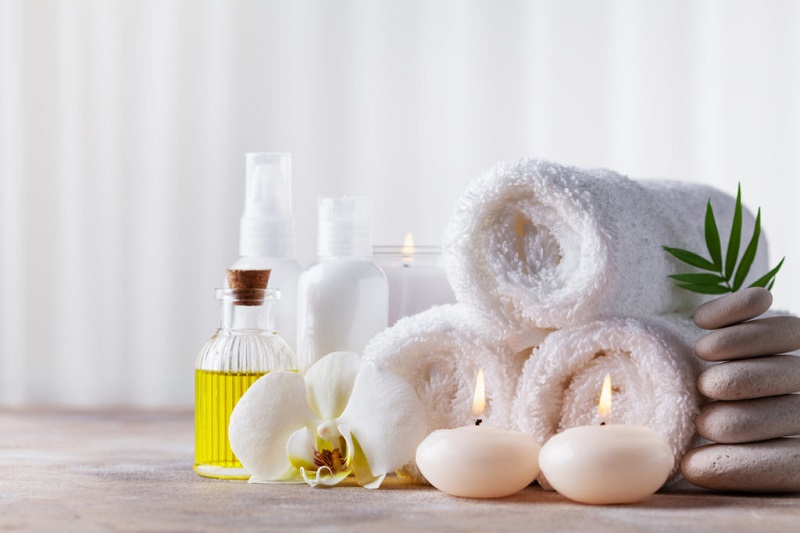
Creating an aromatherapy spa at home starts with setting the stage. Your environment should engage all your senses, from the textures you touch to the sounds you hear. The goal is to create a space that feels separate from the rest of your home—a sanctuary where stress isn’t allowed.
Elements of a Perfect Home Spa:
- Lighting: Soft, warm lighting sets the mood. Use dimmable lamps, fairy lights, or candles. Avoid harsh overhead lights.
- Textures: Plush towels, a cozy robe, and a comfortable mat or chair invite relaxation. Choose fabrics that feel luxurious against your skin.
- Sounds: Play nature sounds, ambient music, or white noise. Spotify and YouTube have playlists designed for spa relaxation.
- Scents: Use a diffuser, oil burner, or scented candles to fill the air with your chosen essential oils. Start with calming scents like lavender or chamomile.
Example: A simple setup might include a yoga mat for seating, a battery-operated candle for safety, and a Bluetooth speaker playing ocean waves. The key is to keep it clutter-free and intentional.
Pro Tip: Dedicate a specific area of your home to your spa routine, even if it’s just a corner of your bedroom. This creates a mental association between the space and relaxation.
Additionally, consider the temperature. A slightly warm room enhances relaxation, while a cool room can be invigorating. Adjust based on your goals for the session.
Step 2: Choose the Right Essential Oils for Your Goals
Essential oils are the heart of your aromatherapy spa at home, but with hundreds of options, it’s easy to feel overwhelmed. The best approach is to start with a few versatile oils and expand your collection as you learn what works for you.
Essential Oils for Common Needs:
- Relaxation: Lavender, chamomile, and clary sage. These oils slow the nervous system and promote deep rest.
- Energy Boost: Peppermint, rosemary, and citrus oils like lemon or grapefruit. These scents invigorate and uplift.
- Mood Enhancement: Bergamot, ylang-ylang, and frankincense. These oils balance emotions and reduce anxiety.
- Pain Relief: Eucalyptus, marjoram, and ginger. These have anti-inflammatory properties and can ease muscle tension.
Example: A blend of 3 drops lavender, 2 drops bergamot, and 1 drop frankincense in a diffuser creates a grounding, calming atmosphere perfect for evening relaxation.
Pro Tip: Purchase oils from reputable brands like doTERRA, Young Living, or Plant Therapy. Avoid synthetic fragrances, which lack therapeutic benefits and can irritate the skin.
Additionally, always dilute essential oils with a carrier oil (like jojoba or coconut oil) before applying them to your skin. A general rule is 2–3 drops of essential oil per teaspoon of carrier oil.
Step 3: Create a Relaxing Spa Routine That Fits Your Lifestyle
An aromatherapy spa at home doesn’t require hours of free time. Even a 10-minute routine can reset your nervous system and leave you feeling refreshed. The key is to design a sequence that fits seamlessly into your day.
Sample Spa Routines for Different Needs:
- Quick Reset (10–15 minutes):
- Light a candle or start your diffuser with a calming blend.
- Apply a warm, damp washcloth to your face for 2 minutes.
- Massage your temples and neck with diluted lavender oil.
- Sip a cup of herbal tea while practicing deep breathing.
- Evening Wind-Down (30–45 minutes):
- Soak in a warm bath with Epsom salts and 5 drops of chamomile oil.
- Dry brush your skin to exfoliate and boost circulation.
- Apply a hydrating mask while listening to a guided meditation.
- Finish with a self-massage using a lotion infused with essential oils.
- Weekend Indulgence (60+ minutes):
- Start with a full-body stretch or gentle yoga flow.
- Exfoliate with a sugar scrub, then moisturize with a rich body oil.
- Give yourself a mani/pedi with a nourishing cuticle oil.
- End with a scalp massage using rosemary oil to stimulate hair growth.
Example: A busy mom might opt for the Quick Reset during naptime, while a remote worker could enjoy the Evening Wind-Down after logging off for the day.
Pro Tip: Keep a spa journal to track which routines and oils work best for you. Note how you feel before and after each session to refine your practice.
Additionally, involve your senses fully. Lightly spray a linen mist with essential oils on your pillow before bed, or place a drop of oil on a cotton ball and tuck it into your pillowcase for all-night relaxation.

Step 4: DIY Spa Treatments With Essential Oils
Store-bought spa products are convenient, but they often contain synthetic fragrances and harsh chemicals. Creating your own treatments with essential oils ensures you’re using pure, natural ingredients—and it’s more cost-effective.
Easy Home Spa Ideas Using Essential Oils:
- Body Scrub: Mix 1 cup sugar, ½ cup coconut oil, and 10 drops of your favorite essential oil. Use 2–3 times per week to exfoliate and hydrate.
- Bath Salts: Combine 1 cup Epsom salt, ½ cup baking soda, and 10 drops essential oil. Add to a warm bath to soothe muscles and calm the mind.
- Facial Steam: Boil 2 cups of water, pour into a bowl, and add 3–5 drops of essential oil. Drape a towel over your head and steam for 5–10 minutes to open pores and clear sinuses.
- Massage Oil: Blend ¼ cup carrier oil with 10 drops essential oil. Use for self-massage or to moisturize after a shower.
Example: A lavender and eucalyptus bath salt blend eases tension and clears congestion, making it perfect for cold season or after a long day.
Pro Tip: Store DIY treatments in airtight glass containers to preserve their potency. Label each container with the ingredients and date.
Additionally, patch-test new blends on a small area of skin before full-body use. Some oils, like citrus, can cause photosensitivity, so avoid sun exposure after application.
Step 5: Enhance Your Spa Experience With Mindfulness
Aromatherapy is powerful, but its effects are amplified when paired with mindfulness practices. Incorporating meditation, breathwork, or gentle movement into your relaxing spa routine deepens relaxation and helps you stay present.
Mindfulness Techniques to Pair With Aromatherapy:
- Guided Meditation: Use apps like Headspace or Calm to find meditations that align with your goals (e.g., stress relief, better sleep).
- Breathwork: Try the 4-7-8 technique (inhale for 4 counts, hold for 7, exhale for 8) to calm your nervous system.
- Gentle Yoga or Stretching: Flow through a few poses to release physical tension. Yoga with Adriene on YouTube offers free, beginner-friendly routines.
- Gratitude Practice: Spend a few minutes journaling or mentally listing things you’re grateful for. This shifts your focus from stress to appreciation.
Example: Pairing a bergamot and frankincense diffuser blend with a 10-minute body scan meditation creates a deeply relaxing experience that prepares you for sleep.
Pro Tip: Create a “spa playlist” with songs that evoke calm or joy. Instrumentals, nature sounds, or binaural beats enhance the atmosphere without distracting your mind.
Additionally, set an intention for your spa time. It could be as simple as “I release today’s stress” or “I welcome peace and clarity.” This focuses your mind and deepens the benefits of your practice.
Step 6: Optimize Your Spa for Different Times of Day
Your body’s needs change throughout the day, and your aromatherapy spa at home can adapt to support them. Morning routines might focus on energy and clarity, while evening sessions prioritize relaxation and sleep.
Spa Routines by Time of Day:
- Morning (Energy and Focus):
- Diffuse citrus oils like lemon or orange to invigorate your senses.
- Use a peppermint or rosemary body wash in the shower to wake up your mind.
- Apply a drop of frankincense to your wrists for grounding and mental clarity.
- Afternoon (Stress Relief and Recharge):
- Diffuse a blend of lavender and bergamot to ease midday tension.
- Take a 5-minute break to massage your hands and feet with a cooling gel.
- Sip a cup of peppermint tea to refresh your mind and aid digestion.
- Evening (Relaxation and Sleep):
- Diffuse chamomile and cedarwood to prepare for rest.
- Soak your feet in a basin of warm water with Epsom salts and lavender oil.
- Apply a drop of vetiver oil to your pulse points for deep relaxation.
Example: A morning shower with eucalyptus and spearmint body wash can replace your coffee habit, leaving you refreshed without the caffeine crash.
Pro Tip: Keep a small stash of essential oils at your desk or in your bag for on-the-go aromatherapy. Inhale directly from the bottle or apply a drop to a tissue for a quick mood boost.
Additionally, sync your spa routine with your natural circadian rhythms. If you’re a night owl, a late evening session might work best, while early birds may prefer morning rituals.
Step 7: Involve Your Senses Fully for a Deeper Experience
An aromatherapy spa at home engages all five senses, creating a multisensory experience that amplifies relaxation. Think beyond scent to include touch, sound, sight, and even taste.
How to Engage All Your Senses:
- Touch: Use soft robes, plush towels, and textured massage tools. A warm eye pillow infused with lavender can ease tension.
- Sound: Play nature sounds, ambient music, or a white noise machine. The Noisli app lets you mix custom soundscapes.
- Sight: Dim the lights or use colored bulbs to create a soothing atmosphere. Blue and green hues are particularly calming.
- Taste: Sip herbal tea, infused water, or a small piece of dark chocolate. Peppermint or chamomile tea complements most spa routines.
- Smell: Layer scents with candles, diffusers, and body oils. Start with a light base note (like vanilla) and add brighter top notes (like citrus).
Example: A sensory spa night might include a warm lavender eye pillow, a soundtrack of rain sounds, a cup of chamomile tea, and a diffuser blend of sandalwood and orange.
Pro Tip: Keep a “sensory kit” with your favorite spa essentials—candles, oils, teas, and textures—so you’re always ready to unwind.
Additionally, experiment with temperature. A warm foot soak followed by a cool towel on your neck creates a refreshing contrast that boosts circulation and relaxation.
Real-World Examples of Transformative Home Spas
- The Busy Mom: Sarah transformed her bathroom into an aromatherapy spa at home with a $20 diffuser, a set of essential oils, and a playlist of ocean sounds. Her 15-minute evening routine reduced her stress levels and improved her sleep quality.
- The Remote Worker: James used a relaxing spa routine to transition from work to home life. His 30-minute afternoon session with eucalyptus and rosemary oils helped him unwind and be more present with his family.
- The College Student: Emma created a home spa ideas setup in her dorm room using a portable diffuser, a yoga mat, and DIY sugar scrubs. Her weekly self-care nights became a sanctuary from academic stress.
Professional Tips for Creating the Ultimate Aromatherapy Spa at Home
- Start Small: You don’t need a dedicated room or expensive equipment. A quiet corner, a candle, and a single essential oil are enough to begin.
- Invest in Quality: Pure essential oils and natural ingredients yield better results than synthetic alternatives.
- Personalize Your Blends: Experiment with different oils to find what resonates with you. Your perfect blend might be unique!
- Make It a Habit: Consistency is key. Schedule spa time like any other important appointment.
- Involve Your Household: Share the benefits of aromatherapy with your family or roommates. Create group spa nights for bonding and relaxation.
Related Topics:
7 FAQs About Creating an Aromatherapy Spa at Home
- What’s the best essential oil for beginners?
Lavender is the most versatile—it promotes relaxation, eases stress, and supports sleep. It’s gentle and widely available. - How often should I do an at-home spa routine?
Even 10 minutes daily can make a difference. Aim for 2–3 longer sessions per week for deeper benefits. - Can I use essential oils directly on my skin?
No. Always dilute essential oils with a carrier oil to avoid irritation. A 2% dilution (about 2 drops per teaspoon of carrier oil) is safe for most adults. - What’s the best diffuser for a home spa?
Ultrasonic diffusers are ideal—they’re quiet, preserve the oils’ benefits, and double as humidifiers. Brands like UMA and Vitruvi are highly rated. - How can I create a spa-like atmosphere in a small space?
Focus on decluttering, soft lighting, and a signature scent. Even a bathroom or closet can become a spa with the right ambiance. - Are there essential oils I should avoid?
Yes. Some oils, like wintergreen and birch, contain methyl salicylate and can be toxic. Others, like clary sage, should be avoided during pregnancy. - Can I use aromatherapy for my pets?
Some essential oils are toxic to pets. Always research pet-safe oils (like lavender or chamomile) and consult your vet before using them around animals.
Conclusion: Your Sanctuary Awaits
Creating an aromatherapy spa at home isn’t about indulgence—it’s about reclaiming your peace in a chaotic world. With just a few tools and a little intention, you can transform any space into a haven of relaxation and rejuvenation. The key is to start where you are, use what you have, and commit to making self-care a priority.
Remember, you don’t need a grand setup or hours of free time. Even a 10-minute ritual with a single essential oil can shift your mood, ease your stress, and restore your energy. The power of aromatherapy lies in its simplicity and accessibility.
Your challenge this week: Pick one idea from this guide—whether it’s diffusing lavender before bed or giving yourself a five-minute hand massage—and make it part of your routine. Notice how it changes your day, your mood, and your outlook.
Your sanctuary is waiting. All you have to do is step into it.
Featured Image Source