
Korean head spas have gained popularity worldwide as luxurious wellness treatments. These multi-step experiences differ significantly from traditional scalp massages. Understanding the distinctions helps consumers choose the right treatment for their needs and budget.
This comprehensive guide examines both approaches to scalp care. Comparing techniques, benefits, costs, and experiences enables informed decisions about which treatment suits individual preferences.
Understanding Korean Head Spa Treatments
Korean head spas represent comprehensive scalp wellness experiences lasting 60 to 90 minutes. These treatments combine cleansing, exfoliation, massage, and conditioning in systematic protocols. The approach views scalp health as essential to overall hair quality and relaxation.
Typical Korean head spa sessions begin with thorough consultations. Technicians assess scalp condition, hair type, and specific concerns like dryness or oiliness. This personalized approach tailors treatments to individual needs rather than offering one-size-fits-all services.
The experience incorporates multiple specialized products targeting different scalp issues. Detoxifying shampoos remove buildup, while scalp scrubs exfoliate dead skin cells. Additionally, treatment masks nourish the scalp with vitamins and botanical extracts.
Advanced techniques distinguish Korean head spas from simpler treatments. Many facilities use scalp cameras to visualize pore conditions and follicle health. Therefore, clients receive visual evidence of scalp conditions and post-treatment improvements.
Exploring Traditional Scalp Massage Methods
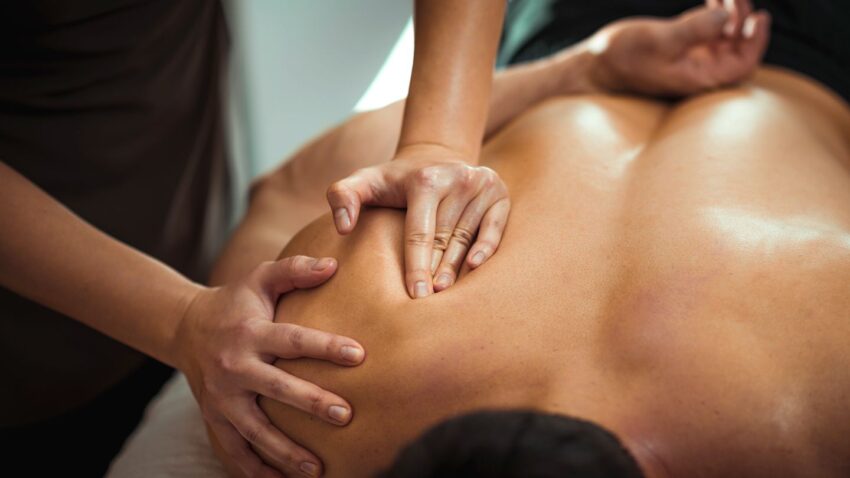
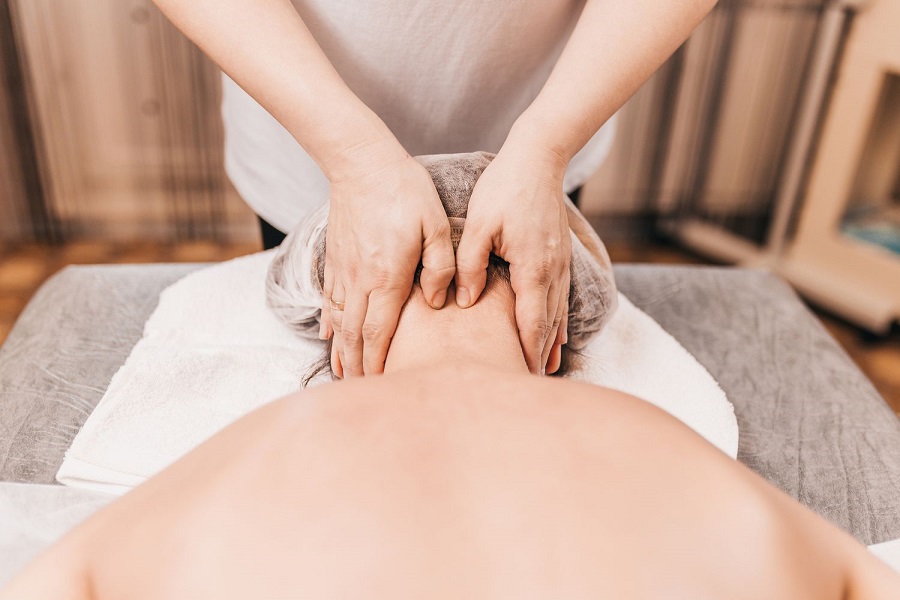
Traditional scalp massages focus primarily on manual manipulation techniques. These treatments typically last 15 to 30 minutes as standalone services or additions to haircuts. The emphasis remains on relaxation and tension relief through therapeutic touch.
Various cultural traditions inform scalp massage approaches worldwide. Indian champissage incorporates Ayurvedic principles with vigorous stimulation. Japanese head massage emphasizes pressure points connected to overall body wellness. Western approaches often integrate aromatherapy with gentle circular motions.
Traditional massages generally use minimal products beyond carrier oils or lotions. Practitioners rely on skilled hand movements rather than extensive product applications. Moreover, these treatments rarely include deep cleansing or exfoliation components.
The simplicity of traditional scalp massage makes it widely accessible. Most salons and spas offer basic scalp massage services without specialized equipment. However, this accessibility sometimes means less personalized attention to specific scalp conditions.
Comparing Treatment Techniques and Methods
Korean head spas employ multi-phase protocols with distinct treatment stages. The process typically includes pre-cleansing, deep cleansing, exfoliation, massage, treatment application, steaming, and final conditioning. Each phase serves specific purposes in comprehensive scalp care.
Exfoliation represents a key differentiator in Korean head spa treatments. Scrubs containing natural ingredients like sea salt or sugar remove dead skin cells. This step enhances product absorption and promotes healthier scalp environments.
Traditional scalp massages concentrate exclusively on manual manipulation techniques. Practitioners use fingertips, palms, and sometimes knuckles to stimulate circulation. The focus remains on muscle relaxation and stress reduction through rhythmic movements.
Korean head spas incorporate specialized tools enhancing treatment effectiveness. Vibrating scalp massagers, steam caps, and LED light therapy devices complement manual techniques. Additionally, some facilities offer oxygen therapy or ultrasonic scalp cleansing.
Pressure application differs between approaches. Traditional massages often use firm, sustained pressure on specific points. Korean head spas typically employ gentler, more varied techniques synchronized with product application phases.
Analyzing Duration and Time Commitments
Korean head spa treatments require significant time investments ranging from 60 to 120 minutes. The extended duration accommodates multiple treatment phases and proper product absorption time. Therefore, clients must schedule appointments well in advance and allocate substantial blocks of time.
Traditional scalp massages offer flexibility with sessions lasting 15 to 45 minutes. Quick treatments fit easily into lunch breaks or before other appointments. Moreover, many salons provide scalp massage as add-on services during haircuts or styling.
The time difference reflects fundamental treatment philosophies. Korean head spas emphasize thorough, ritualistic care addressing multiple scalp concerns simultaneously. Traditional massages prioritize efficient relaxation and tension relief within shorter timeframes.
Frequency recommendations vary between treatment types. Korean head spa practitioners often suggest monthly sessions for maintenance and quarterly deep treatments. Traditional scalp massages can be enjoyed weekly or even daily without concern for product overload.
Evaluating Costs and Value Propositions
Korean head spa treatments command premium pricing reflecting their comprehensive nature. Sessions typically cost between 80 and 200 dollars depending on location and facility luxury level. Urban areas and high-end spas charge at the upper end of this range.
The higher costs account for specialized products, extended treatment time, and trained technicians. Many Korean head spas import professional-grade products from Korea specifically formulated for these treatments. Additionally, the use of advanced diagnostic tools and equipment justifies increased pricing.
Traditional scalp massages offer more budget-friendly options starting around 20 to 50 dollars for standalone services. Add-on massages during other salon services may cost only 10 to 15 dollars. Therefore, regular scalp massage remains accessible across various income levels.
Value assessment depends on individual priorities and expectations. Korean head spas provide comprehensive scalp health solutions addressing multiple concerns simultaneously. Traditional massages deliver focused relaxation benefits at lower investment levels.
According to Vogue, Korean head spas have become wellness destinations offering therapeutic benefits beyond simple relaxation, justifying their premium pricing.

Examining Product Usage and Ingredients
Korean head spa treatments feature extensive product lineups with specialized formulations. Each treatment phase employs different products targeting specific functions. Cleansing oils remove sebum buildup, while alkaline shampoos deep clean follicles.
Many Korean head spa products contain traditional Asian ingredients like ginseng, green tea, and fermented rice water. These botanicals provide antioxidants and nutrients promoting scalp health. Moreover, formulations often exclude harsh sulfates and parabens.
Traditional scalp massages typically use minimal products focusing on carrier oils. Popular choices include coconut, jojoba, argan, and sweet almond oils. Essential oils like lavender, peppermint, or rosemary may enhance aromatherapy benefits.
Product absorption represents a priority in Korean head spa protocols. Steam treatments and massage techniques facilitate deep penetration of active ingredients. Additionally, extended processing times allow nutrients to nourish scalp tissue thoroughly.
The ingredient transparency varies between treatment types. Korean head spas often provide detailed product information and ingredient lists. Traditional massage practitioners may use whatever oils are available without extensive ingredient disclosure.
Comparing Scalp Health Benefits
Korean head spas address multiple scalp concerns through targeted treatments. Detoxification removes product buildup, pollutants, and excess sebum clogging follicles. Exfoliation eliminates dead skin cells preventing flaking and promoting cell renewal.
Hydration benefits from Korean head spas extend beyond surface moisture. Deep conditioning treatments penetrate the scalp delivering nutrients to hair follicles. Therefore, regular treatments can improve hair growth and thickness over time.
Traditional scalp massages primarily enhance circulation through manual stimulation. Increased blood flow delivers oxygen and nutrients to hair follicles. This circulatory boost may support healthier hair growth and scalp condition.
Stress reduction represents a shared benefit across both treatment types. However, the extended ritual of Korean head spas provides more profound relaxation experiences. The combination of gentle massage, aromatherapy, and pampering creates meditative states.
Scientific evidence supports scalp massage benefits for hair health. Studies indicate regular massage may increase hair thickness and reduce hair loss. Additionally, stress reduction through massage positively impacts overall scalp condition.
Assessing Relaxation and Sensory Experiences
Korean head spas create immersive wellness experiences engaging multiple senses. Calming music, aromatherapy, and comfortable treatment rooms establish tranquil environments. The unhurried pace allows clients to disconnect from daily stresses completely.
Sensory stimulation varies throughout Korean head spa treatments. Warm steam opens pores, while cool rinses invigorate the scalp. Textural contrasts between scrubs, creams, and oils provide interesting tactile experiences.
Traditional scalp massages offer more straightforward relaxation through therapeutic touch. The focus remains on manual techniques relieving tension in scalp, neck, and shoulder muscles. However, the shorter duration may limit deep relaxation achievement.
Privacy levels differ between treatment settings. Korean head spas often provide private treatment rooms with specialized chairs. Traditional massages frequently occur in open salon areas with less privacy and ambient noise.
According to The New York Times, Korean head spa treatments have become popular self-care rituals offering both physical and mental wellness benefits through multi-sensory experiences.
Understanding Cultural and Philosophical Differences
Korean head spa traditions stem from K-beauty philosophies emphasizing prevention and maintenance. The approach views scalp care as foundational to overall beauty and wellness. Additionally, Korean beauty culture values ritualistic self-care practices promoting both physical and mental health.
The treatments reflect broader Korean wellness concepts balancing external care with internal harmony. Attention to detail and multi-step routines characterize Korean beauty approaches across all categories. Therefore, head spa treatments naturally incorporate these comprehensive methodologies.
Traditional scalp massage philosophies vary by cultural origin. Indian traditions connect scalp massage to Ayurvedic whole-body wellness systems. Japanese approaches emphasize energy flow and pressure point stimulation affecting overall health.
Western scalp massage traditions often focus narrowly on physical relaxation benefits. The approach tends toward pragmatic stress relief rather than holistic wellness integration. However, growing interest in Eastern wellness practices influences contemporary Western massage techniques.
Determining Which Treatment Suits Your Needs
Consider specific scalp concerns when choosing between treatments. Korean head spas excel at addressing dandruff, oiliness, dryness, and product buildup. The comprehensive approach tackles multiple issues simultaneously through specialized products.
Budget and time availability significantly influence treatment selection. Those with limited budgets or schedules may find traditional scalp massage more practical. However, occasional Korean head spa treatments can provide intensive care complementing regular maintenance.
Personal preference for product usage affects treatment choice. Some individuals prefer minimal product application focusing on massage techniques. Others appreciate extensive product rituals addressing specific concerns comprehensively.
Desired experience outcomes guide treatment decisions. Seeking deep relaxation and pampering suggests Korean head spa experiences. Wanting quick tension relief indicates traditional scalp massage appropriateness.
Hair and scalp goals determine optimal treatment frequency. Addressing specific scalp conditions benefits from regular Korean head spa sessions. Maintaining general wellness and relaxation suits frequent traditional scalp massages.
Conclusion
Comparing Korean head spas with traditional scalp massages reveals distinct approaches to scalp wellness. Korean head spas offer comprehensive, multi-phase treatments addressing various scalp concerns through specialized products and techniques. Traditional scalp massages provide focused relaxation through manual manipulation at lower costs and shorter durations. Both treatments deliver valuable benefits including improved circulation, stress reduction, and scalp health enhancement. Therefore, the ideal choice depends on individual needs, budgets, time availability, and wellness goals. Many people find value in combining both approaches, using Korean head spas for intensive treatments and traditional massages for regular maintenance.
Frequently Asked Questions
How often should I get a Korean head spa treatment?
Most practitioners recommend Korean head spa treatments monthly for maintenance and every two weeks for addressing specific scalp concerns. Those with healthy scalps may extend to quarterly sessions. However, individual needs vary based on scalp condition, hair type, and environmental factors.
Can I do a Korean head spa at home?
Yes, simplified Korean head spa routines can be performed at home using appropriate products. Purchase scalp scrubs, treatment masks, and massage tools from Korean beauty retailers. However, professional treatments offer specialized equipment and techniques difficult to replicate independently.
Is Korean head spa better than traditional scalp massage for hair growth?
Korean head spas may support hair growth more effectively through comprehensive scalp health improvement. The combination of exfoliation, deep cleansing, and nutrient delivery creates optimal follicle environments. However, both treatments improve circulation, which benefits hair growth when performed regularly.
Do Korean head spas work for all hair types?
Yes, Korean head spas adapt to various hair types through customized product selection. Technicians assess individual scalp conditions and adjust treatments accordingly. Additionally, the focus on scalp health rather than hair styling makes treatments universally beneficial.
How long do Korean head spa results last?
Immediate relaxation benefits last several days, while scalp health improvements accumulate with regular treatments. Most people notice reduced oiliness or dryness lasting two to four weeks. However, maintaining results requires consistent treatment schedules and proper home care between sessions.
Related Topics:
What Are the Three Most Popular Spa Treatments?
Glowing Skin Awaits: Facial Treatments