

In today’s fast-paced world, where stress seems to lurk around every corner, finding effective ways to manage mental health and reduce anxiety is more crucial than ever. Enter yoga—a centuries-old practice that’s not just about stretching or striking poses but a powerful tool for calming the mind and nurturing emotional well-being. With anxiety disorders affecting over 40 million adults in the U.S. alone, according to the National Institute of Mental Health, yoga offers a natural, accessible solution that’s gaining traction for its holistic benefits. But how exactly does yoga improve mental health and help tame anxiety? Let’s dive into the science, practices, and real-world benefits of this transformative practice.
What Is Yoga and Why Does It Matter for Mental Health?
Yoga, derived from the Sanskrit word yuj meaning “to unite,” is a mind-body practice that combines physical postures (asanas), breathing techniques (pranayama), meditation, and mindfulness. While many associate yoga with flexibility or fitness, its mental health benefits are profound, addressing both the body and mind in unison. By fostering a connection between breath, movement, and awareness, yoga creates a unique pathway to emotional balance and stress relief.
Unlike high-intensity workouts or quick-fix solutions, yoga’s slow, deliberate approach helps regulate the nervous system, making it particularly effective for anxiety management. Whether you’re a beginner or a seasoned yogi, the practice offers tools to cultivate calm, improve focus, and build resilience against life’s challenges.
The Science Behind Yoga and Mental Health
Research consistently highlights yoga’s positive impact on mental well-being. A 2018 study published in the Journal of Clinical Psychiatry found that yoga significantly reduced symptoms of anxiety and depression in participants after just eight weeks of practice. Another study from Frontiers in Immunology (2020) showed that yoga lowers cortisol levels—the stress hormone linked to anxiety and mood disorders.
How does this work? Yoga activates the parasympathetic nervous system, often called the “rest and digest” system, which counteracts the body’s stress response. By slowing heart rate and reducing blood pressure, yoga helps shift the body from a state of fight-or-flight to one of calm and restoration. Additionally, practices like mindfulness meditation in yoga increase gamma-aminobutyric acid (GABA) levels in the brain, a neurotransmitter that promotes relaxation and reduces anxious thoughts.
Key Ways Yoga Reduces Anxiety
Yoga’s ability to alleviate anxiety stems from its multifaceted approach. Below, we explore the primary mechanisms through which yoga supports mental health and helps manage anxiety effectively.
-
Mindfulness and Present-Moment Awareness
Anxiety often thrives on ruminating about the past or worrying about the future. Yoga counters this by anchoring practitioners in the present moment. Mindfulness, a core component of yoga, encourages non-judgmental awareness of thoughts, emotions, and bodily sensations. Poses like Child’s Pose or Savasana (Corpse Pose) invite you to focus on your breath and body, creating a mental pause that disrupts anxious thought patterns.
Pro Tip: Try a 10-minute guided meditation during Savasana to deepen relaxation. Apps like Headspace or Calm offer yoga-specific mindfulness sessions for beginners.
-
Breathwork for Calming the Nervous System
Breathing exercises, or pranayama, are a cornerstone of yoga’s anxiety-reducing effects. Techniques like diaphragmatic breathing or alternate nostril breathing (Nadi Shodhana) slow the breath, signaling to the brain that it’s safe to relax. A 2019 study in Complementary Therapies in Clinical Practice found that pranayama significantly reduced anxiety scores in participants after just one session.
How to Practice: Sit comfortably, close your eyes, and inhale deeply through your nose for a count of four, hold for four, and exhale for six. Repeat for 5–10 minutes to feel an immediate sense of calm.
-
Physical Movement to Release Tension
Anxiety often manifests physically—think tight shoulders, a racing heart, or a clenched jaw. Yoga’s gentle movements and stretches release stored tension in the body, promoting relaxation. Poses like Forward Fold or Cat-Cow stretch the spine and neck, areas where stress commonly accumulates.
By engaging the body, yoga also boosts endorphin production, the brain’s natural “feel-good” chemicals. This creates a positive feedback loop: as the body relaxes, the mind follows, reducing anxiety’s grip.
-
Building Emotional Resilience
Regular yoga practice fosters emotional resilience by teaching practitioners to stay present during discomfort. Holding challenging poses like Warrior II or Tree Pose builds mental fortitude, helping you approach life’s stressors with greater confidence. Over time, this resilience translates to better coping mechanisms for anxiety triggers.
-
Community and Connection
Many yoga classes foster a sense of community, which can combat feelings of isolation often associated with anxiety. Joining a local studio or online yoga group provides social support, a key factor in mental health. Even practicing at home with virtual classes can create a sense of belonging.
Yoga Styles for Anxiety Relief
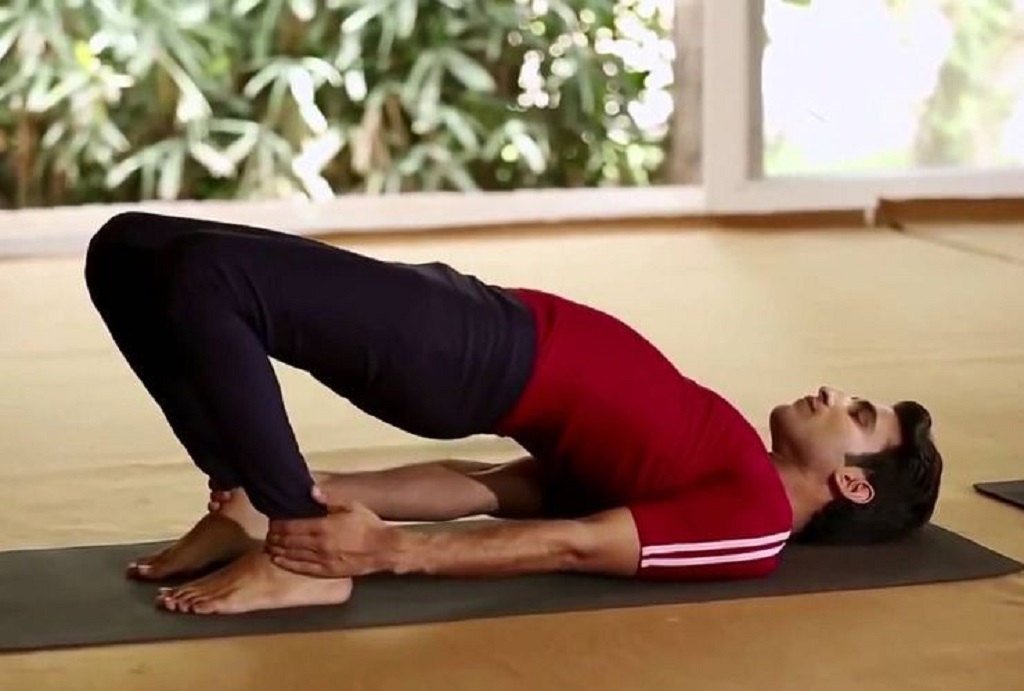
Not all yoga is created equal when it comes to mental health. Here are some styles particularly effective for reducing anxiety:
- Hatha Yoga: A gentle, beginner-friendly practice focusing on basic poses and breathwork, ideal for calming the mind.
- Yin Yoga: Involves holding poses for 3–5 minutes to release deep tension and promote relaxation.
- Restorative Yoga: Uses props like blankets and bolsters to support the body in passive poses, encouraging deep rest.
- Vinyasa Yoga: A more dynamic flow that syncs breath with movement, great for those who find calm through gentle activity.
Recommendation: If you’re new to yoga, start with Hatha or Restorative classes to ease into the practice without overwhelming yourself.
Getting Started with Yoga for Mental Health
Ready to harness yoga’s benefits for anxiety relief? Here’s a step-by-step guide to begin your journey:
- Set a Clear Intention: Decide why you’re practicing—whether it’s to reduce stress, improve focus, or simply feel better. This intention will guide your practice.
- Choose the Right Environment: Find a quiet space at home or join a local yoga studio. Online platforms like Yoga With Adriene or Glo offer affordable, guided classes.
- Start Small: Begin with 10–15 minute sessions, 2–3 times a week. Consistency is more important than duration.
- Incorporate Breathwork: Pair poses with simple breathing exercises to amplify relaxation.
- Track Your Progress: Keep a journal to note changes in your mood, anxiety levels, or sleep quality after practicing.
Beginner-Friendly Poses:
- Mountain Pose: Grounds you and improves posture.
- Seated Forward Bend: Calms the mind and stretches the lower back.
- Legs Up the Wall: Relieves tension and promotes relaxation.
Common Misconceptions About Yoga and Mental Health
Despite its benefits, myths about yoga can deter beginners. Let’s debunk a few:
- Myth: You need to be flexible to do yoga.
Truth: Yoga is for all bodies. Flexibility improves with practice, not a prerequisite. - Myth: Yoga is only for spiritual people.
Truth: Yoga’s mental health benefits are accessible regardless of spiritual beliefs. - Myth: Yoga takes too much time.
Truth: Even 10 minutes a day can make a difference.
Additional Tips for Maximizing Yoga’s Benefits
- Combine with Meditation: Pair yoga with a 5-minute meditation to enhance mental clarity.
- Practice Gratitude: End each session with a moment of gratitude to boost positivity.
- Stay Consistent: Aim for regular practice, even if it’s short, to see long-term results.
- Consult a Professional: If anxiety is severe, combine yoga with therapy or medical support for a holistic approach.
Real-Life Impact: What Yogis Say
“Yoga has been a game-changer for my anxiety,” says Sarah, a 32-year-old teacher. “I used to feel overwhelmed daily, but 20 minutes of restorative yoga before bed helps me sleep better and face the day with clarity.” Stories like Sarah’s are common, with countless practitioners reporting improved mood, reduced stress, and better emotional regulation.
Read More Also: Spa Etiquette Massage Exposed: Unveiling the Do’s and Don’ts for a Blissful Experience
Conclusion: Start Your Yoga Journey Today
Yoga isn’t just a workout—it’s a lifeline for mental health and a powerful tool for reducing anxiety. By blending mindfulness, breathwork, and movement, yoga offers a holistic approach to calming the mind and strengthening emotional resilience. Whether you’re dealing with occasional stress or chronic anxiety, incorporating yoga into your routine can lead to lasting benefits.
Ready to take the first step? Try a beginner-friendly yoga class today, either in-person or online, and discover how this ancient practice can transform your mental well-being. Share your experience in the comments below, or join our community newsletter for weekly yoga tips and mindfulness practices to keep your journey going strong!