
Foot massages have been practiced for centuries across various cultures, and for good reason. Beyond simple relaxation, they offer a powerful way to promote overall well-being by targeting specific pressure points on the feet. These pressure points correspond to different organs and systems in the body, and applying pressure to them can help to relieve pain, improve circulation, and reduce stress. This comprehensive guide delves deep into the world of female foot massage pressure points, exploring their locations, benefits, and techniques. We’ll also provide insights into the pros and cons of foot massages, answer frequently asked questions, and offer a glimpse into what others are saying about their experiences.
Understanding Foot Massage Pressure Points
Before we dive into specific pressure points, it’s important to grasp the basic principles of foot reflexology. This ancient practice is based on the belief that the feet are a microcosm of the entire body, with specific zones and points on the feet corresponding to different organs and systems.
By applying pressure to these points, reflexologists aim to stimulate energy flow, release tension, and promote healing in the corresponding areas of the body. While not a substitute for medical treatment, foot reflexology is often used as a complementary therapy to support overall health and wellness.
Locating and Massaging Key Pressure Points
The following are some key pressure points on the feet for women, along with their corresponding organs and potential benefits:
Solar Plexus Point:
Located in the center of the foot, just below the ball of the foot, this point is associated with the diaphragm and the digestive system. Massaging this point can help to relieve stress, anxiety, and digestive issues.
Pituitary Gland Point:
Found in the center of the big toe, this point is linked to the pituitary gland, the master gland that regulates hormone production. Stimulating this point may help to balance hormones and improve overall endocrine function.
Ovary/Testicle Point:
Located on the outer side of the foot, just below the ankle bone, this point corresponds to the ovaries in women and the testicles in men. Massaging this point may help to regulate menstrual cycles, reduce menstrual cramps, and improve fertility.
Uterus/Prostate Point:
Situated on the inner side of the foot, just below the ankle bone, this point is connected to the uterus in women and the prostate in men. Applying pressure here may help to alleviate menstrual cramps, reduce PMS symptoms, and support reproductive health.
Heart Point:
Located on the left foot, just below the ball of the foot, this point corresponds to the heart. Massaging this point may help to improve circulation, reduce blood pressure, and promote heart health.
Lung Point:
Found on both feet, just below the base of the toes, these points are associated with the lungs. Stimulating these points may help to improve respiratory function, relieve coughs, and reduce asthma symptoms.
Kidney Point:
Located on both feet, just below the ball of the foot, these points correspond to the kidneys. Massaging these points may help to detoxify the body, reduce fluid retention, and support kidney health.
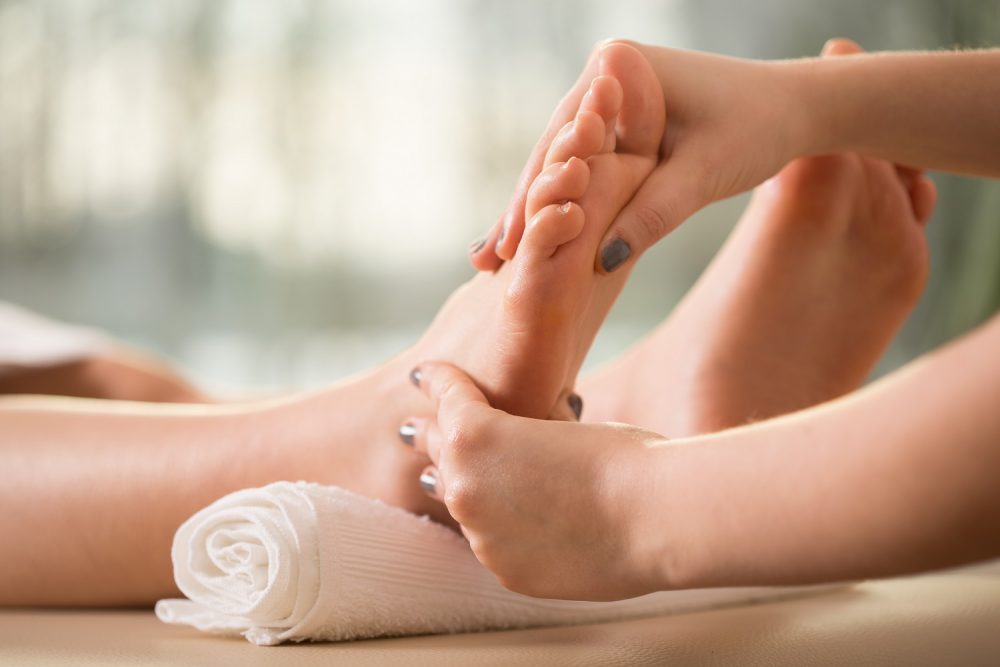
To massage these pressure points, use your thumb or fingers to apply firm, circular pressure for several minutes. You can also use a foot roller or a tennis ball to massage the entire foot.
Benefits of Foot Massage for Women
Foot massages offer a wide range of benefits for women, including:
- Pain Relief: Foot massages can help to relieve pain in various parts of the body, including the feet, legs, back, and head.
- Improved Circulation: Massaging the feet can help to improve blood flow and lymphatic drainage, which can reduce swelling and promote healing.
- Stress Reduction: Foot massages can help to reduce stress and anxiety by stimulating the release of endorphins, the body’s natural mood boosters.
- Hormonal Balance: Massaging specific pressure points on the feet may help to regulate hormone production and alleviate menstrual cramps and PMS symptoms.
- Improved Sleep: Foot massages can help to relax the body and mind, promoting better sleep quality.
- Enhanced Mood: By reducing stress and promoting relaxation, foot massages can help to improve overall mood and well-being.
Pros and Cons of Foot Massage Pressure Points
Pros:
- Non-invasive and safe
- Can be done at home or by a professional
- Offers a wide range of health benefits
- Relaxing and enjoyable
Cons:
- May not be suitable for everyone, especially those with certain medical conditions
- Can be ticklish for some people
- May cause temporary discomfort or soreness
Reviews and Testimonials: Female Foot Massage Pressure Points
Many women have shared their positive experiences with foot massages, praising their ability to relieve pain, reduce stress, and improve overall well-being. Here are a few examples:
- “I’ve been getting regular foot massages for years, and they’ve made a huge difference in my life. I used to suffer from chronic back pain, but now it’s completely gone. I also find that foot massages help me to relax and de-stress after a long day.” – Sarah J.
- “I was skeptical at first, but after trying a foot massage, I’m a believer! It was so relaxing, and I felt like a new person afterward. I’ve been recommending foot massages to all my friends.” – Emily L.
- “I’m a runner, and foot massages are an essential part of my recovery routine. They help to reduce muscle soreness and prevent injuries. I also find that they improve my sleep quality.” – Jessica K.
Frequently Asked Questions (FAQ)
Q: How often should I get a foot massage?
A: The frequency of foot massages depends on your individual needs and preferences. Some people find that getting a massage once a week or once a month is sufficient, while others may benefit from more frequent massages.
Q: Can I give myself a foot massage?
A: Yes, you can definitely give yourself a foot massage. There are many resources available online and in books that can teach you how to massage your own feet.
Q: Are there any contraindications for foot massage?
A: Yes, there are certain medical conditions that may make foot massage unsafe. It’s important to consult with your doctor before getting a foot massage if you have any health concerns.
Q: How do I find a qualified foot massage therapist?
A: You can find qualified foot massage therapists through online directories, referrals from friends or family, or by contacting your local spa or wellness center.
Q: What should I expect during a professional foot massage?
A: During a professional foot massage, you will typically lie down on a massage table while the therapist massages your feet using their hands, fingers, and sometimes tools like foot rollers or massage stones. The therapist may also use essential oils or lotions to enhance the massage experience.
Conclusion
Foot massage pressure points offer a powerful and accessible way to promote overall health and well-being for women. By targeting specific pressure points on the feet, you can stimulate energy flow, release tension, and support the healthy functioning of various organs and systems in the body. Whether you choose to give yourself a foot massage at home or seek the services of a professional reflexologist, incorporating this ancient practice into your wellness routine can bring numerous benefits for both your physical and mental health.